
Security Answer Autopsy: What Buyers Notice When You're Vague
pr0h0•
Explore what buyers notice when security answers are vague and how clarity can improve trust during evaluation.
securitybuyer-trustsales-answers
Explore what buyers notice when security answers are vague and how clarity can improve trust during evaluation.
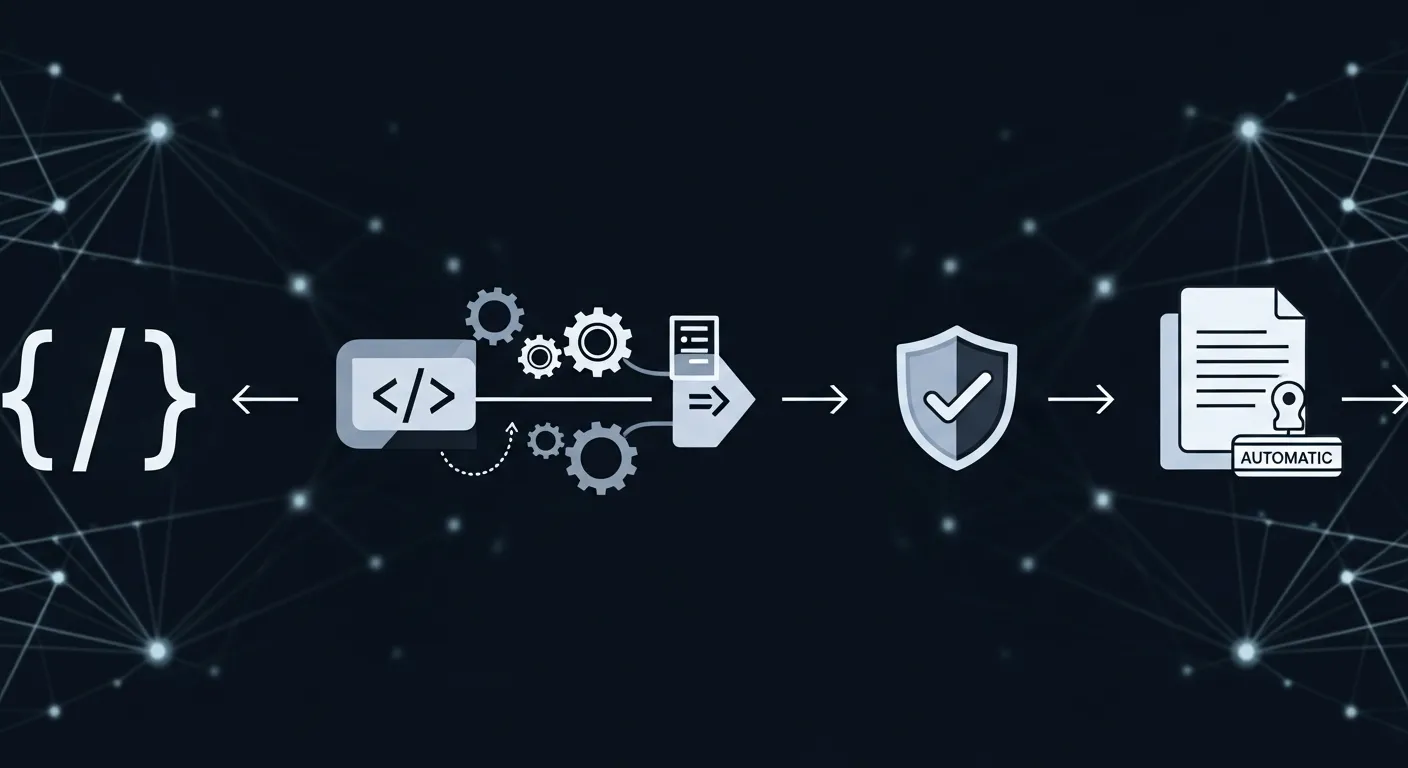
Explore how Compliance as Code shifts teams from manually gathering audit artifacts to automatically generating trustworthy evidence throughout the software delivery lifecycle.

This post explores how rapid SaaS growth can dilute security accountability and create gaps in ownership across teams.
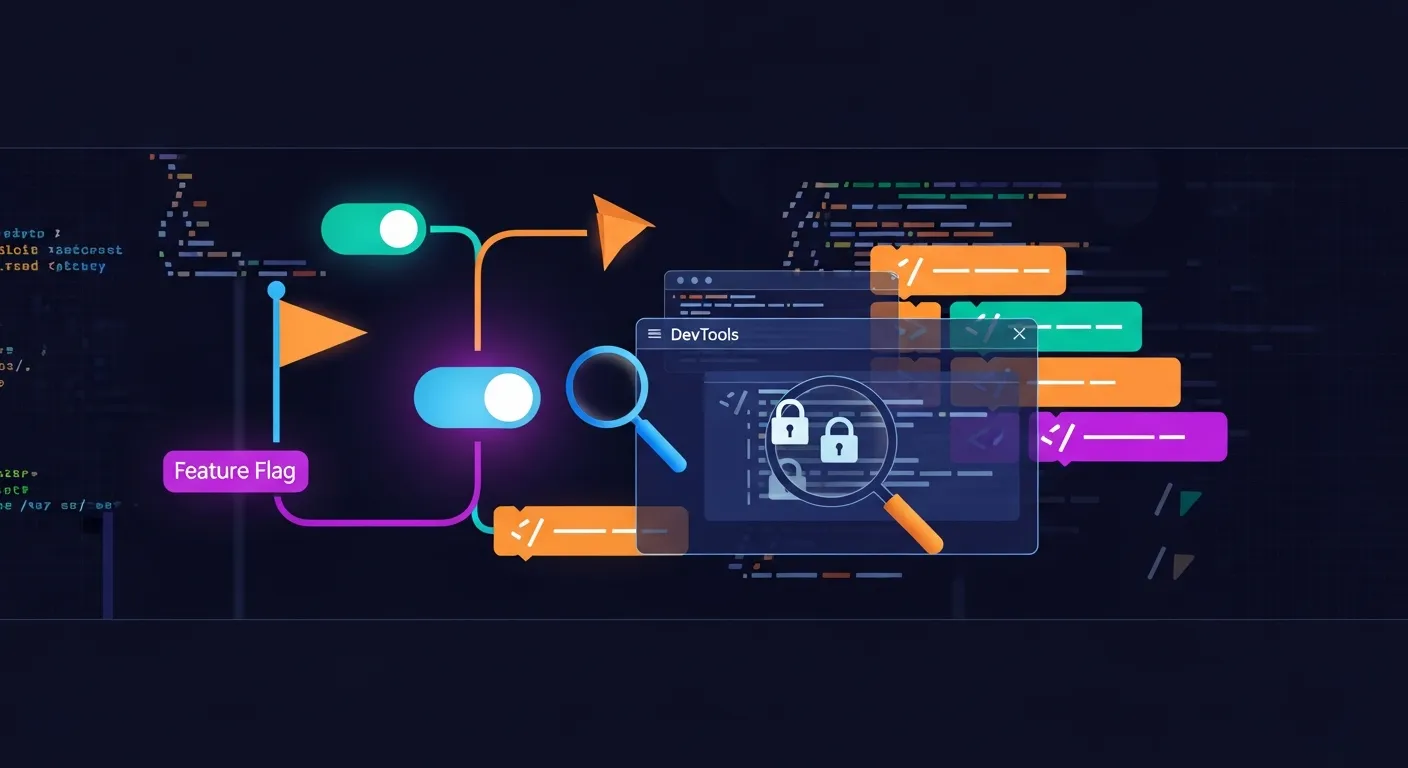
A practical walkthrough of auditing client-side feature flags with DevTools to uncover security risks and implementation weaknesses.

Learn how to review CSV and JSON exports for sensitive data before sharing, storing, or automating them.

Learn how to audit multi-tenant workspace invitations to identify and prevent access control bugs that can expose sensitive resources.
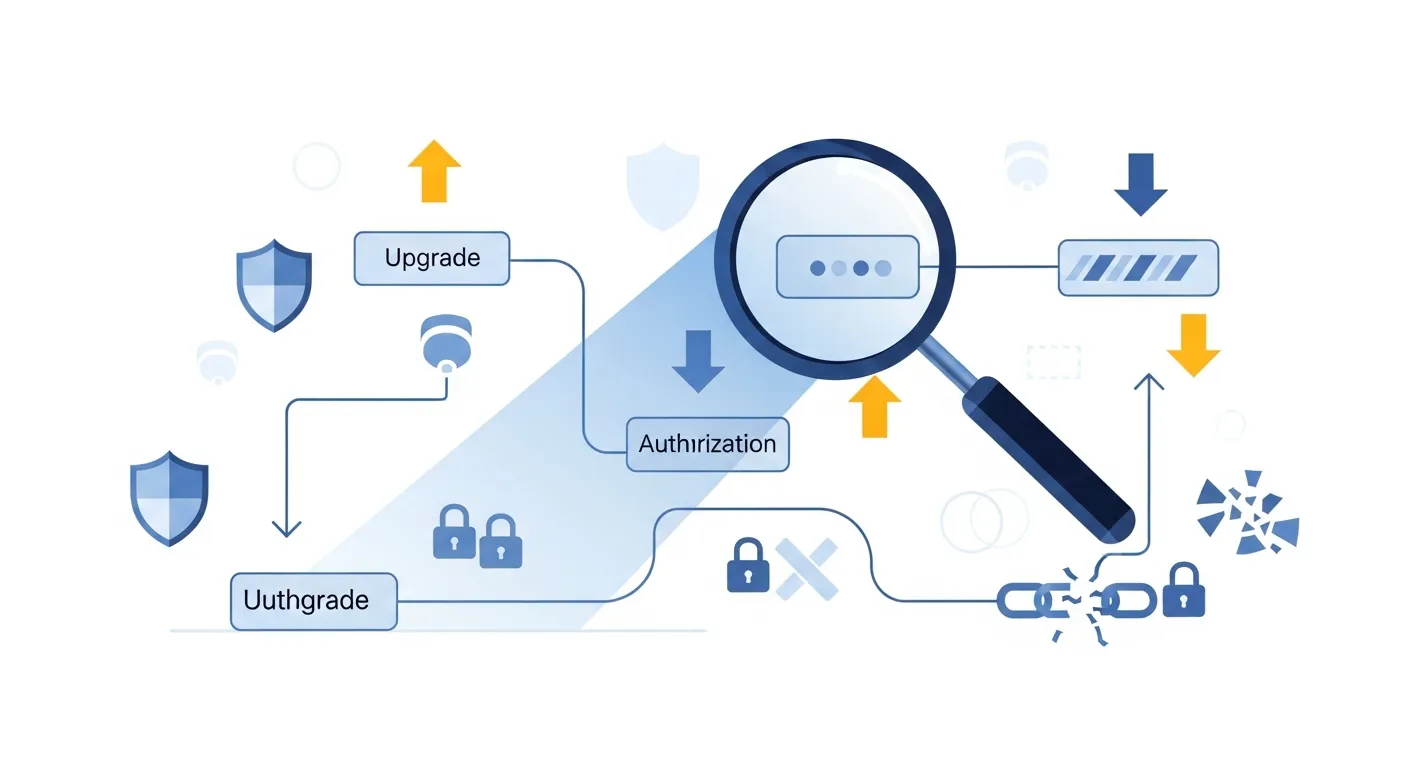
This post explains how to audit upgrade and downgrade flows to detect and prevent authorization failures.

A guide to reviewing Copilot-generated refactors to ensure critical security middleware is preserved and not accidentally removed.

A practical guide to reviewing AI-generated pull requests for hidden security issues and preventing long-term security debt in software development.

Explores how long-term memory in LLM applications can create overlooked security and privacy risks, and why it should be treated as a critical attack surface.

A practical guide to testing tenant isolation in AI APIs using Burp Suite and JavaScript to identify and validate access control weaknesses.

Explore how applying zero-trust security principles to LLM pipelines mitigates risks by distrusting every input and ensuring robust, secure AI architectures.

An in-depth exploration of prompt injection attacks, detailing how attackers progress from data exfiltration to achieving remote code execution on vulnerable AI systems.
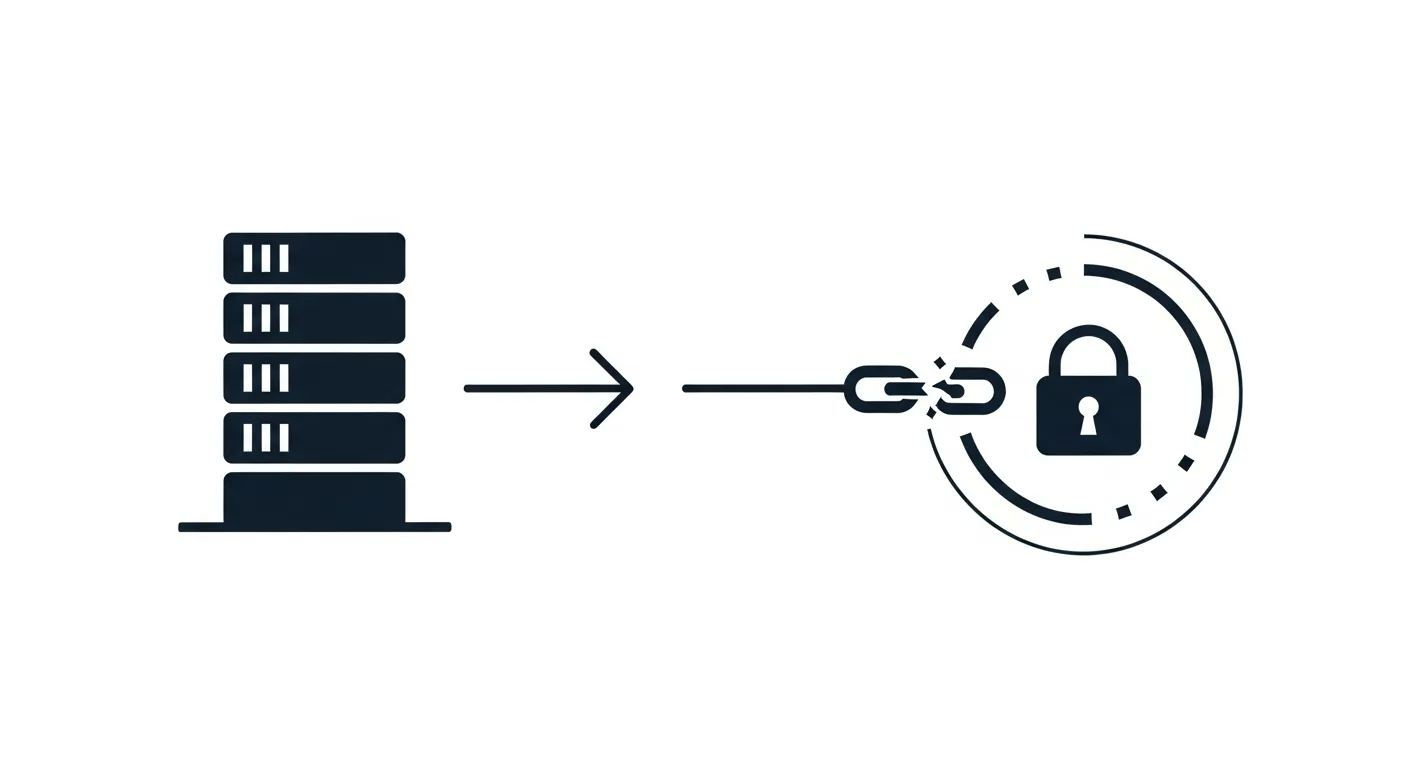
An overview of Server-Side Request Forgery (SSRF), including how attackers exploit trusted server access to reach internal networks and the security risks involved.

This post explains how insufficient logging and monitoring can leave critical security threats undetected and outlines why stronger visibility is essential for timely incident detection.

An exploration of how using software components with known vulnerabilities creates hidden supply chain risks and what teams can do to reduce exposure.

Explains how insecure deserialization can expose applications to serious security risks during data parsing and highlights why safe handling practices are essential.

An overview of Cross-Site Scripting (XSS) covering common attack types, delivery vectors, and practical mitigation strategies for securing web applications.

An overview of how insecure default settings and weak configuration practices can expose systems to preventable attacks.

An overview of broken access control, why it remains one of the most common security risks, and practical steps to prevent it.

An overview of why session management continues to fail and how broken authentication issues expose modern applications to security risks.

A practical overview of injection flaws across SQL, NoSQL, and other attack surfaces, with guidance on how they occur and why they matter.

A practical developer-focused guide to the OWASP Top 10 critical web application risks and how to reduce them.

An evaluation of whether GPT-5.5 offline mode can realistically power a chatbot without cloud dependence, including its limitations and deployment considerations.