Auditing Vibe-Coded Apps: Missing Authentication, CORS, and Input Validation
A practical guide to auditing vibe-coded apps for critical security gaps such as missing authentication, CORS misconfigurations, and weak input validation.

A practical guide to auditing vibe-coded apps for critical security gaps such as missing authentication, CORS misconfigurations, and weak input validation.

A practical guide to evaluating AI-generated code for common web security vulnerabilities including XSS, CSRF, and broken authorization.

An explanation of how event handling and re-renders affect performance, and why understanding the DOM is essential for building efficient front-end applications.

April 2026 showed that AI agents, SaaS integrations, and ordinary web and supply-chain risks now sit in the same AppSec threat model, with untrusted input, OAuth blast radius, and package compromise driving the month's most important security signals.

A practical privacy walkthrough of how normal browser storage APIs like IndexedDB can create cross-account state leaks, privacy boundary breaks, and unexpected persistence risks.

CISA’s April 20, 2026 KEV update highlights why exploit-aware patching should be treated as a decision metric tied to exposure, ownership, and remediation speed.

A practical guide to using AI for bug bounty reporting without sacrificing evidence, reproducibility, or credibility.

A practical guide to treating agent sandboxes as application runtimes, with clear boundaries for files, commands, network access, credentials, and approval gates.

A practical incident-response and hardening guide for Node.js teams after the Axios npm compromise, focused on install-time execution, secret exposure, and safe remediation steps.

A practical look at how Gemini CLI can help developers review large codebases more efficiently.

Learn how to use Claude CLI for code review in confidential codebases while minimizing risk and preserving security.

Explores how alert fatigue undermines security and operations by increasing the risk of missed signals and unsafe responses.

A security researcher examines why responsible disclosure processes often fail and what needs to change to better protect organizations and the public.

A concise set of security aphorisms and one-sentence advice designed to help teams build a more breach-ready security posture.

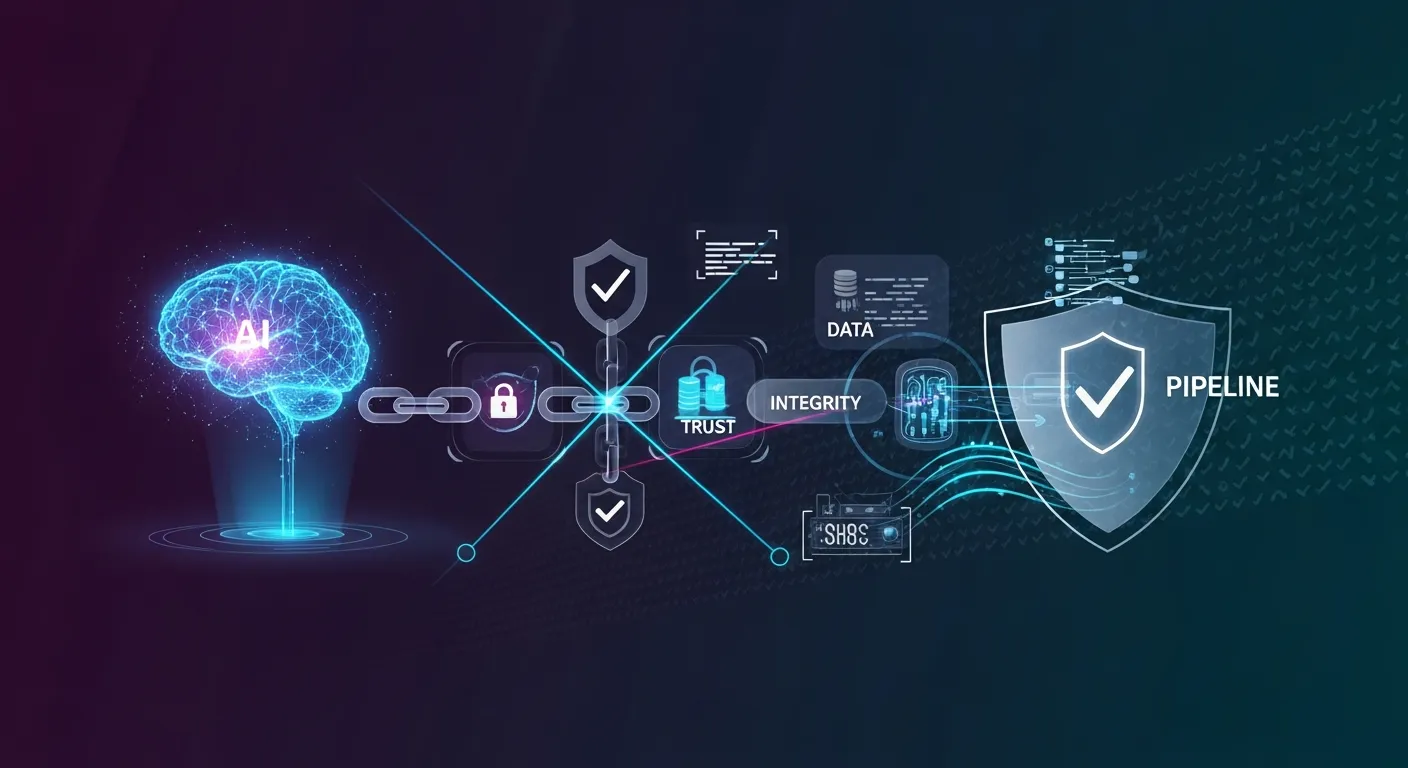
A practical guide to securing the AI supply chain by validating model integrity and detecting tampering risks.

A case study showing how AI helped identify a critical business logic flaw and improve decision-making.

Learn how to design and automate an AI-powered reconnaissance pipeline in Python to streamline data collection, analysis, and actionable insight generation.

A structured AI-assisted learning path that helps beginners build web security knowledge and progress toward practical auditing skills.

An overview of how to design trust boundaries and defensive controls to reduce prompt injection risk in LLM-powered systems.
An overview of how AI-based taint tracking can help detect sensitive data exposure risks across large codebases.

An overview of how AI can enhance fuzz testing for GraphQL APIs to uncover security issues, edge cases, and schema weaknesses more efficiently.

This post explores how LLMs can streamline target enumeration in reconnaissance workflows by automating analysis, prioritization, and data synthesis.

An analysis of the practical balance between AI API usage costs and the security benefits they can deliver.

A practical guide to auditing GitHub Copilot and Codex outputs for insecure autocomplete patterns and reducing the risk of vulnerable code generation.