Auditing GPT-5.5 Offline Mode: Can It Really Run a Chatbot Without the Cloud?
An evaluation of whether GPT-5.5 offline mode can realistically power a chatbot without cloud dependence, including its limitations and deployment considerations.

An evaluation of whether GPT-5.5 offline mode can realistically power a chatbot without cloud dependence, including its limitations and deployment considerations.

A practical guide to auditing LLM access control in multi-tenant applications to reduce data leakage, enforce tenant isolation, and strengthen security governance.

This post explores how to audit CLI AI tools for unsafe command execution and reduce the risk of destructive or unintended system actions.

An analysis of common insecure coding patterns that Copilot may generate by default and how to identify them.

Learn practical methods to verify open code integrity before adopting it in security-critical applications.

A practical guide to reviewing AI-assisted code generation for security vulnerabilities and reducing risk in automated development workflows.

A technical guide to using Service Workers to inspect, track, and troubleshoot referral token lifecycles across browser requests.

A step-by-step guide to building a browser hacking simulator from scratch using JavaScript.

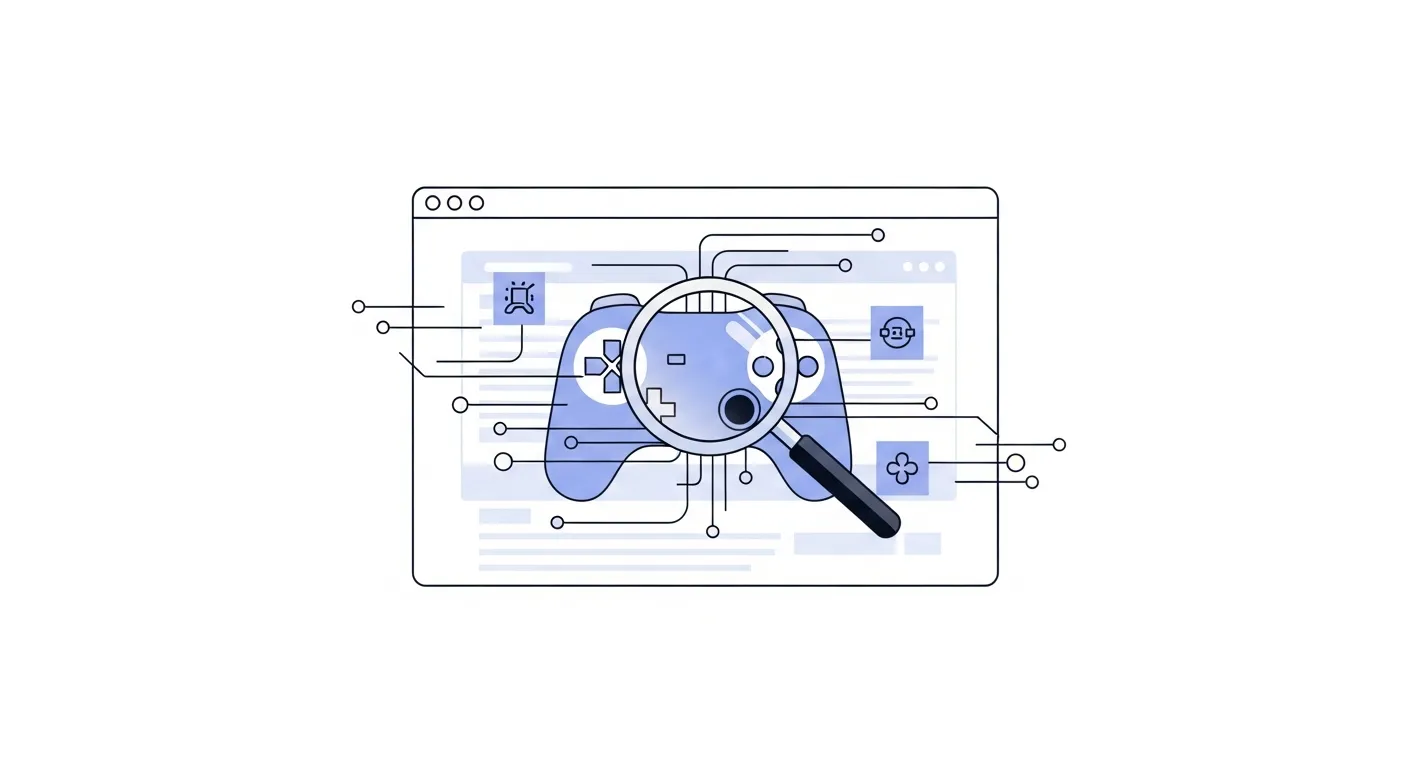
Learn how to audit browser game memory with JavaScript to identify speed hacks and score manipulation vulnerabilities.

Learn how to build a client-side prompt injection guard in JavaScript to help detect and mitigate malicious prompt manipulation in web applications.

A practical guide to building JavaScript-driven referral systems that create efficient viral loops and accelerate user growth.

Explores how developers can apply hacker-style creativity to solve practical coding problems and overcome real-world software challenges.

A practical exploration of five classic JavaScript weaknesses and how they manifest in modern single-page applications.

A practical guide to rotating exposed secrets and hardening access controls after a supply chain compromise, using the Vercel April 2026 incident as context.

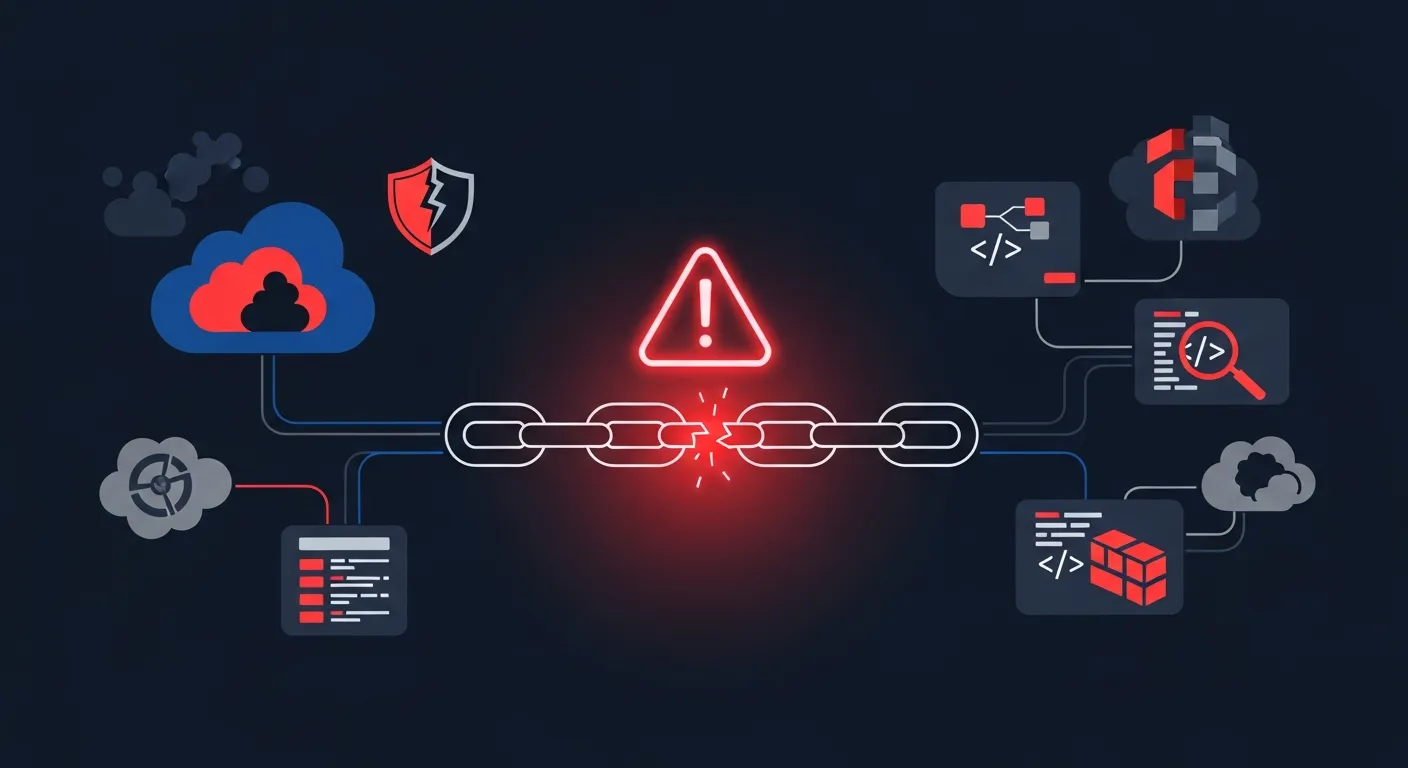
A 2026 security incident shows how a compromised AI tool and stolen OAuth access enabled intrusions into internal systems and exposed non-sensitive environment variables, reinforcing the need for MFA, secret rotation, and tighter supply-chain controls.

A security incident in a third-party AI integration led to unauthorized access across Vercel systems, prompting IOC-based investigations, customer notifications, and urgent guidance on MFA and secret rotation.

A post-incident analysis of Vercel's April 2026 security event showing why unmarked environment variables increased exposure risk and why sensitive marking, MFA, and secret rotation are now essential.

Learn how to build a chatbot that answers infrastructure questions accurately and efficiently.

Learn how to build a custom AI agent to automate CVE monitoring, streamline vulnerability tracking, and improve security response workflows.

Learn how to use local LLMs to identify secrets in commit messages before they are pushed to help prevent accidental credential exposure.

Explore how businesses can transform security compliance from a costly obligation into a strategic advantage that drives trust, growth, and revenue.

This article examines how a security breach can affect SaaS company valuation, growth trajectory, and investor confidence.

Learn how to incorporate security metrics into SaaS unit economics to better measure risk-adjusted efficiency and business performance.

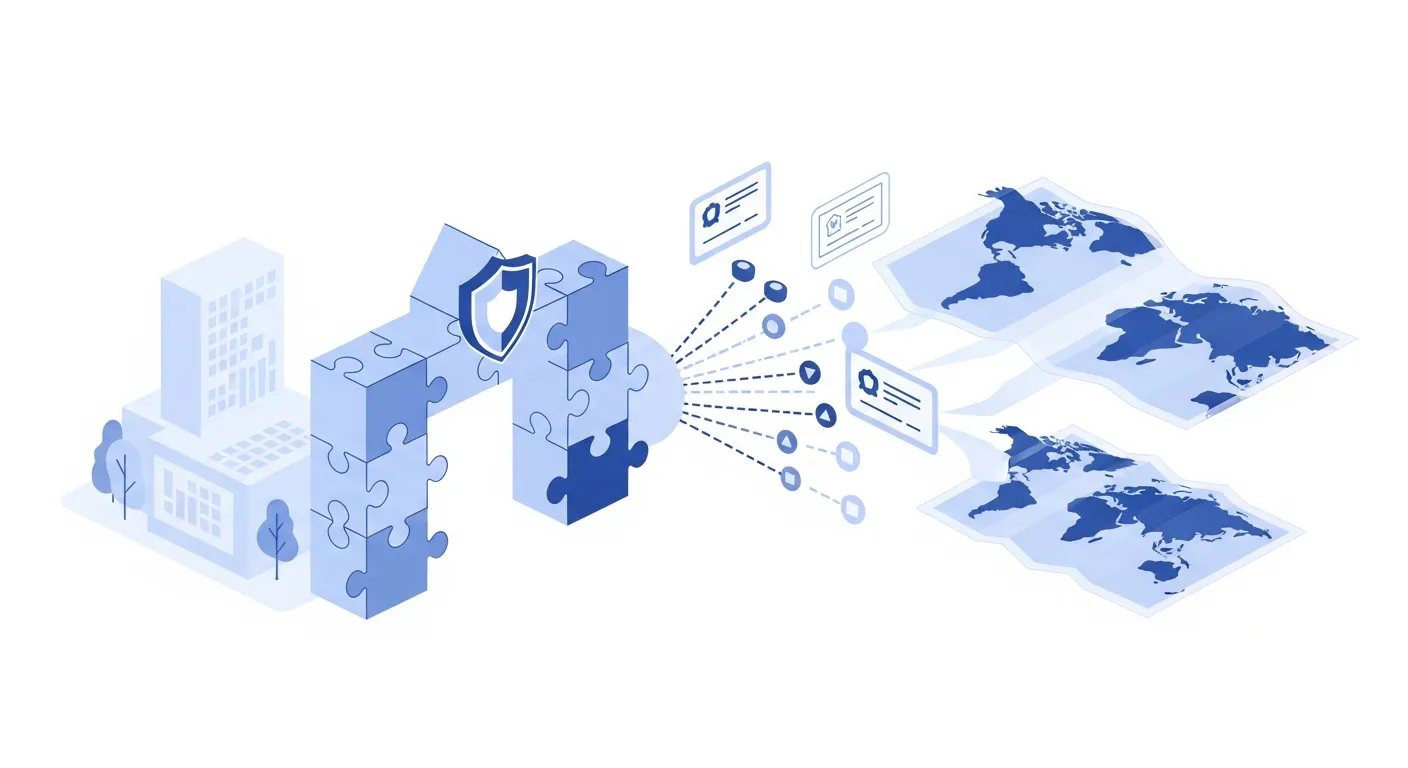
Security certifications like SOC 2 and ISO 27001 can help businesses build trust, meet buyer requirements, and expand into new markets.