
Security Misconfiguration: How Default Settings Enable Attacks
pr0h0•
An overview of how insecure default settings and weak configuration practices can expose systems to preventable attacks.
securitycybersecurityconfiguration
An overview of how insecure default settings and weak configuration practices can expose systems to preventable attacks.

This post explores how to audit CLI AI tools for unsafe command execution and reduce the risk of destructive or unintended system actions.

An analysis of common insecure coding patterns that Copilot may generate by default and how to identify them.

Learn practical methods to verify open code integrity before adopting it in security-critical applications.

A step-by-step guide to building a browser hacking simulator from scratch using JavaScript.
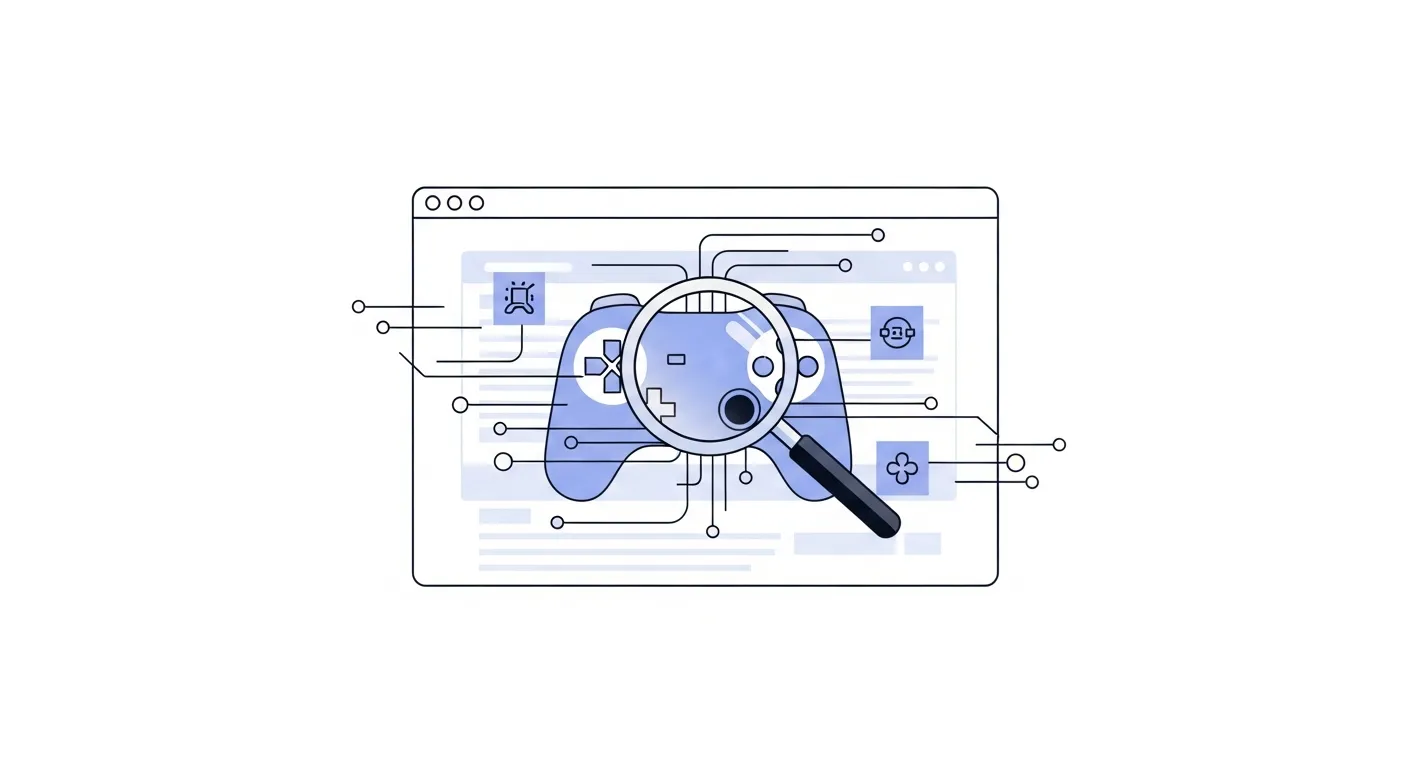
Learn how to audit browser game memory with JavaScript to identify speed hacks and score manipulation vulnerabilities.

Learn how to build a client-side prompt injection guard in JavaScript to help detect and mitigate malicious prompt manipulation in web applications.

A practical guide to rotating exposed secrets and hardening access controls after a supply chain compromise, using the Vercel April 2026 incident as context.

A post-incident analysis of Vercel's April 2026 security event showing why unmarked environment variables increased exposure risk and why sensitive marking, MFA, and secret rotation are now essential.

A third-party AI tool compromise led to unauthorized access to a Vercel employee account and exposure of non-sensitive environment variables, prompting credential rotation and security hardening guidance.

A security incident involving a third-party AI tool's compromised OAuth access led to unauthorized access across Vercel systems, exposing the risks of SaaS integrations and secret handling.
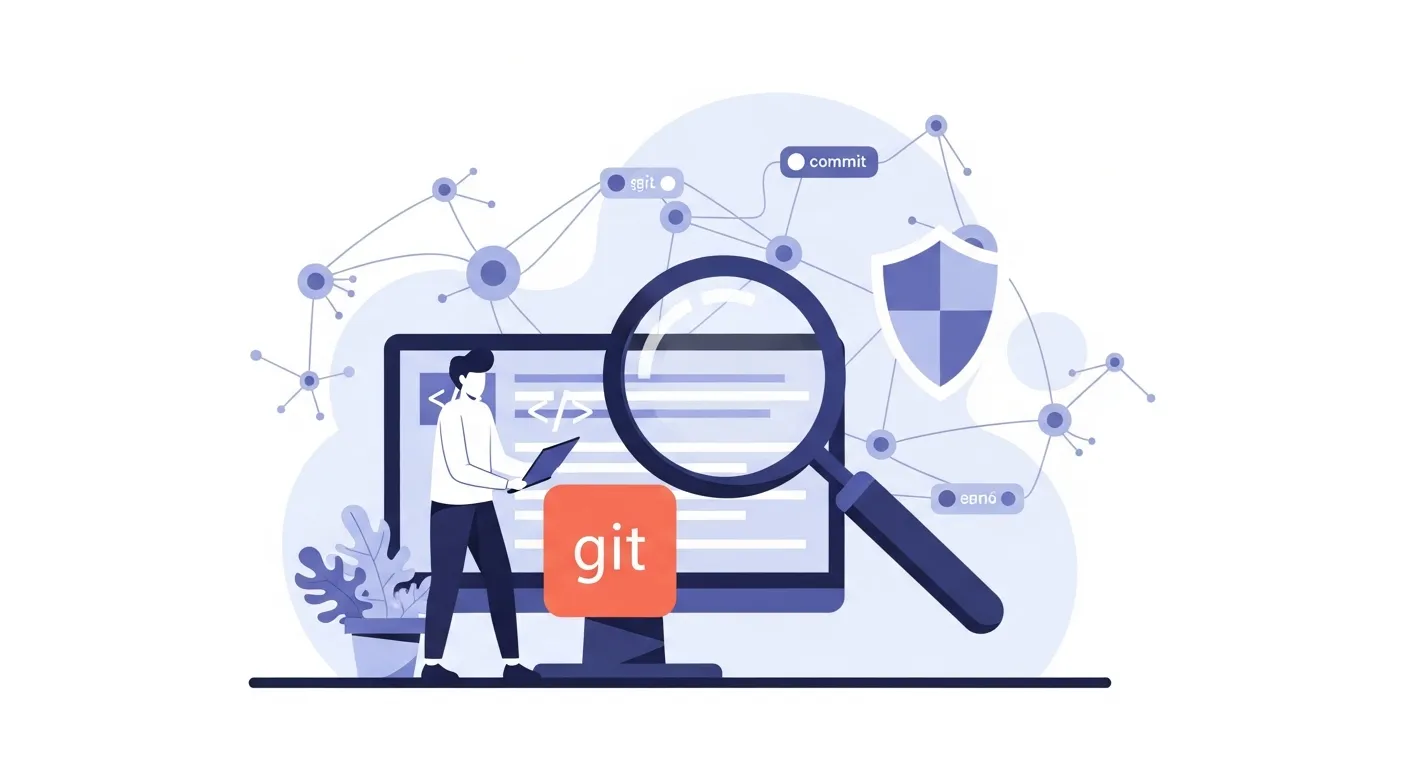
Learn how to use local LLMs to identify secrets in commit messages before they are pushed to help prevent accidental credential exposure.

This article examines how a security breach can affect SaaS company valuation, growth trajectory, and investor confidence.

Learn how to incorporate security metrics into SaaS unit economics to better measure risk-adjusted efficiency and business performance.

Explains how strong security practices can accelerate trust, reduce procurement friction, and help close enterprise deals faster.

Learn how security incidents can increase churn, erode customer trust, and directly reduce SaaS revenue, plus the key strategies to mitigate the risk.
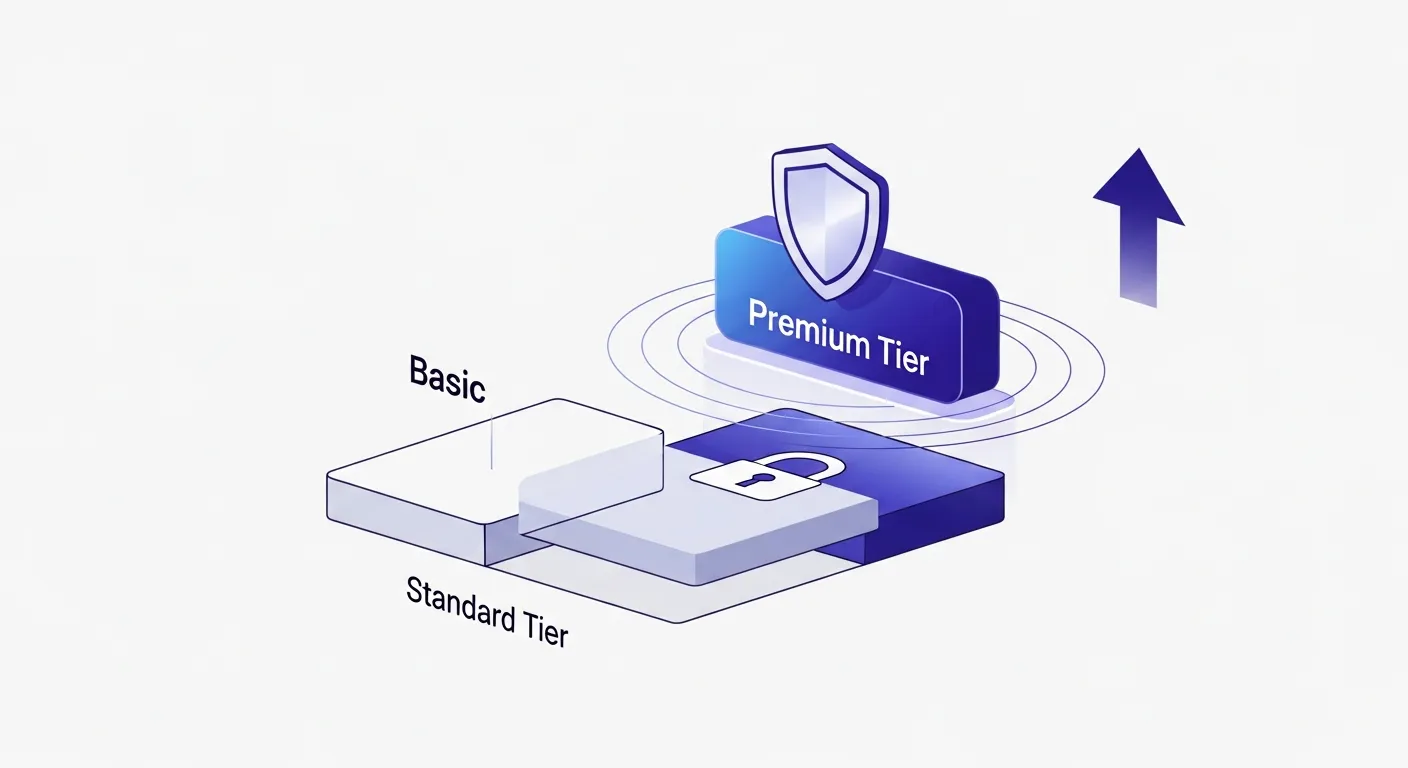
How to use strong security posture as a strategic differentiator to support premium pricing tiers and increase buyer trust.

An exploration of how strong security practices can differentiate a business, build trust, and create lasting competitive advantage.
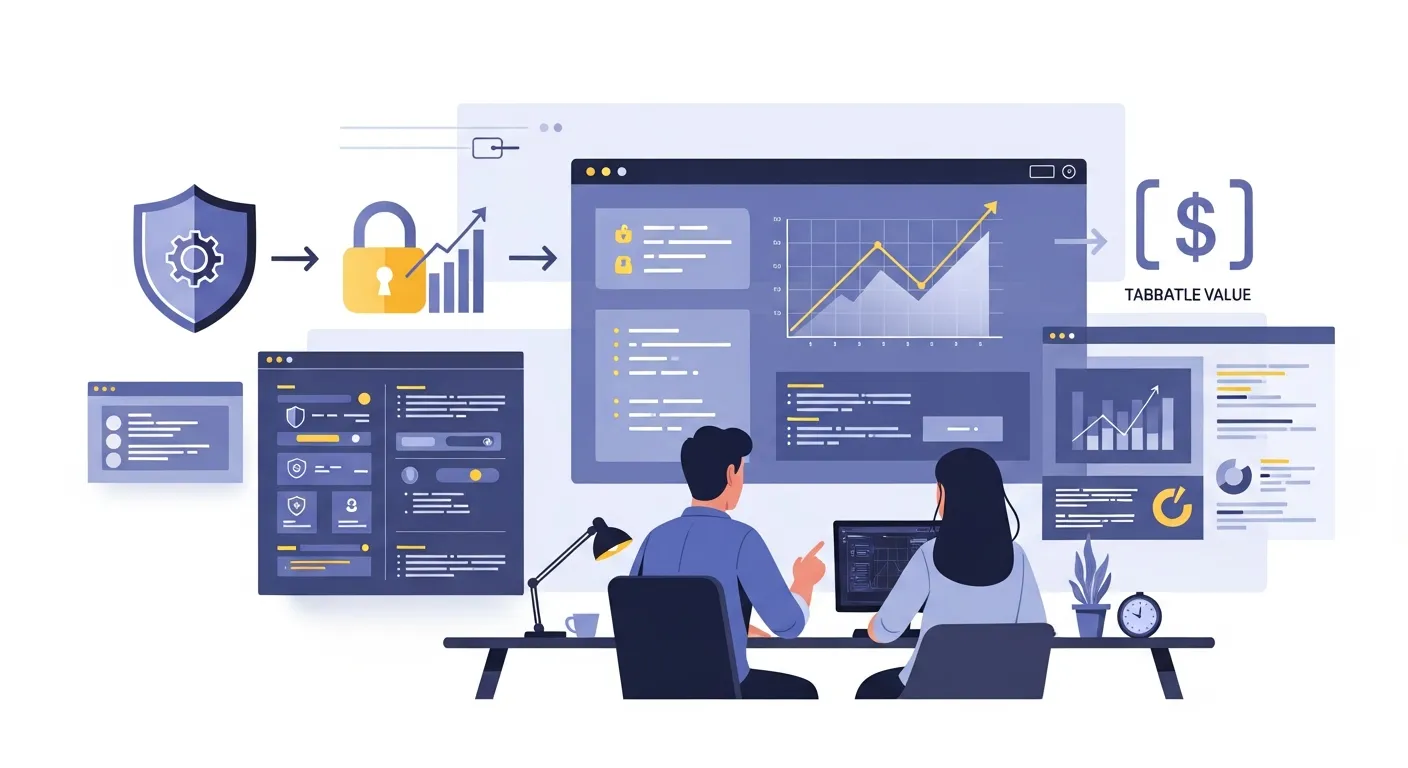
Learn how to design and ship security features that address real customer needs and create clear value worth paying for.
This post explains how to quantify the impact of security on SaaS customer lifetime value and why stronger security can improve retention, trust, and revenue.

An overview of the key security risks, validation practices, and governance controls to consider when using AI to generate infrastructure-as-code.

Learn best practices for protecting secrets and sensitive data when using AI coding tools without exposing credentials, code, or private information.
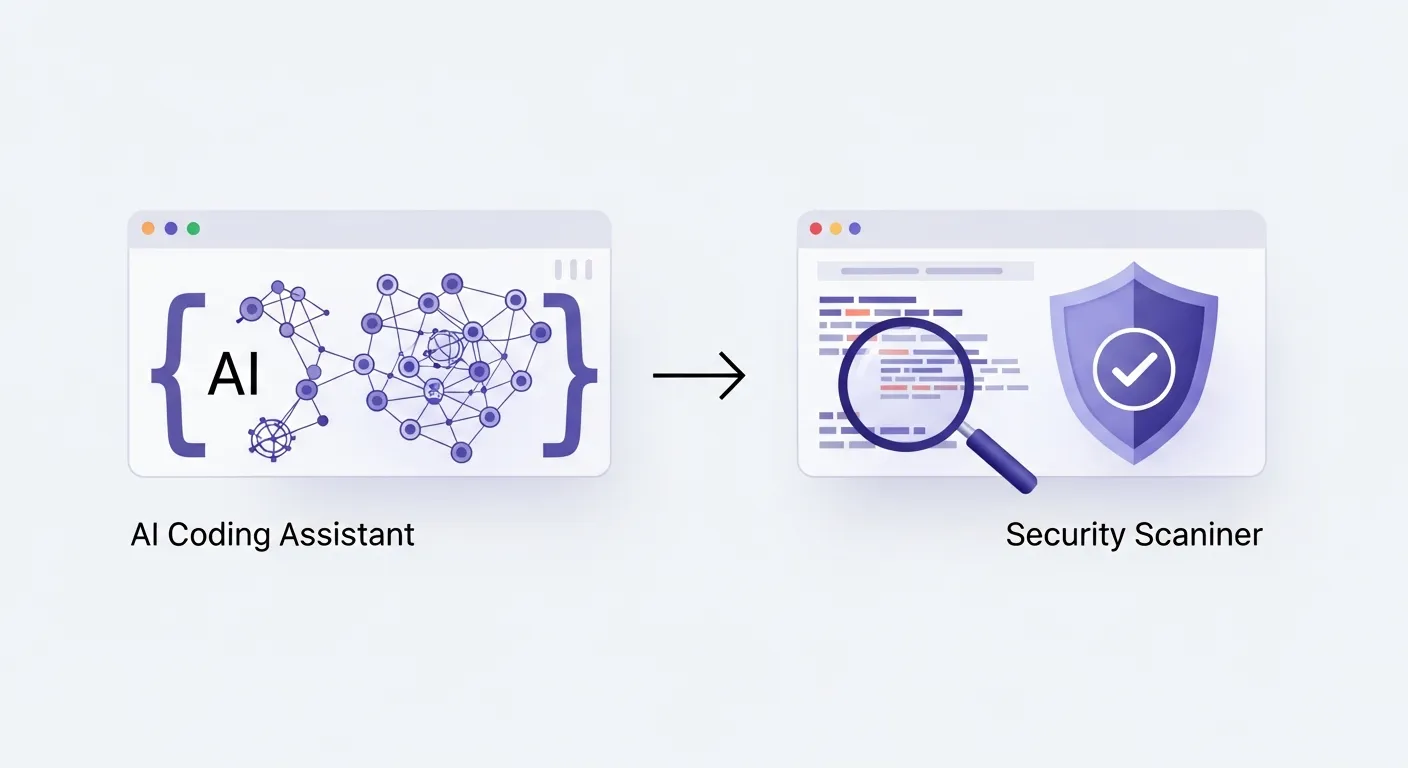
Learn how to integrate security scanners into an AI-assisted coding workflow to catch vulnerabilities early and improve software safety.

Learn how to craft safer AI code requests that reduce security risks and improve the quality of generated software.