
Auditing AI-Built Authentication: The Same Broken Access Control, Just Faster
pr0h0•
AI-generated authentication code inherits the same access control flaws as human-written code, but at a much faster development pace.
aiauthenticationaccess-control
AI-generated authentication code inherits the same access control flaws as human-written code, but at a much faster development pace.

Learn practical strategies for spotting security bugs in unfamiliar codebases, even when you did not write the code yourself.

A practical guide to identifying and fixing security gaps in vibe-coded JavaScript before it reaches production.
An analysis of the common authorization mistakes found in AI-generated React code and how to avoid insecure access control patterns.

An audit of the security risks and common blind spots in AI-generated JavaScript, with practical guidance for identifying and reducing vulnerabilities.

An exploration of how blind trust in vibe coding and stack ignorance can create broken authorization vulnerabilities in software systems.

A practical guide to auditing vibe-coded apps for critical security gaps such as missing authentication, CORS misconfigurations, and weak input validation.

A practical guide to evaluating AI-generated code for common web security vulnerabilities including XSS, CSRF, and broken authorization.

A practical guide to treating agent sandboxes as application runtimes, with clear boundaries for files, commands, network access, credentials, and approval gates.

Learn how to use Claude CLI for code review in confidential codebases while minimizing risk and preserving security.

A security researcher examines why responsible disclosure processes often fail and what needs to change to better protect organizations and the public.

A concise set of security aphorisms and one-sentence advice designed to help teams build a more breach-ready security posture.

A case study showing how AI helped identify a critical business logic flaw and improve decision-making.

Explore what buyers notice when security answers are vague and how clarity can improve trust during evaluation.
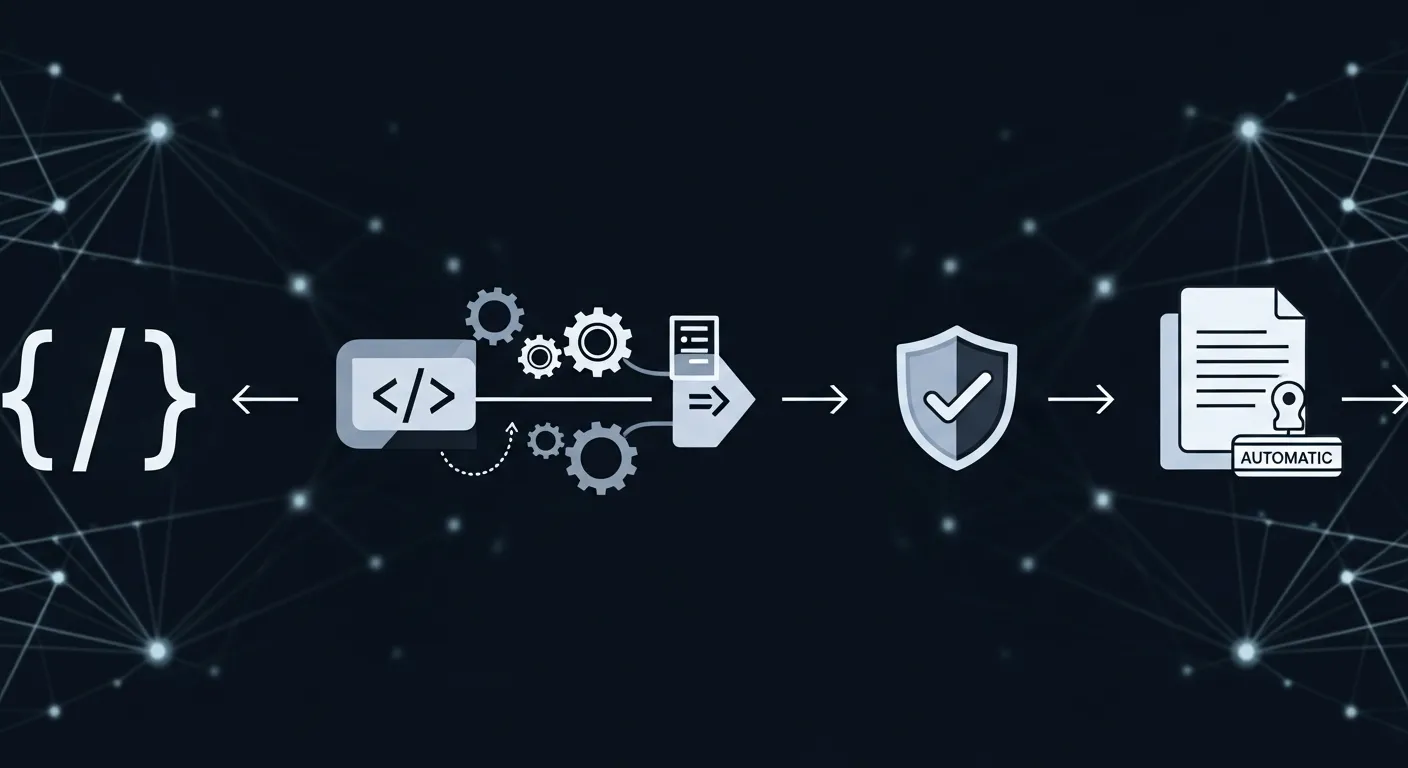
Explore how Compliance as Code shifts teams from manually gathering audit artifacts to automatically generating trustworthy evidence throughout the software delivery lifecycle.

This post explores how rapid SaaS growth can dilute security accountability and create gaps in ownership across teams.

A practical guide to testing postMessage listeners for trust boundary failures and uncovering common cross-origin security mistakes.
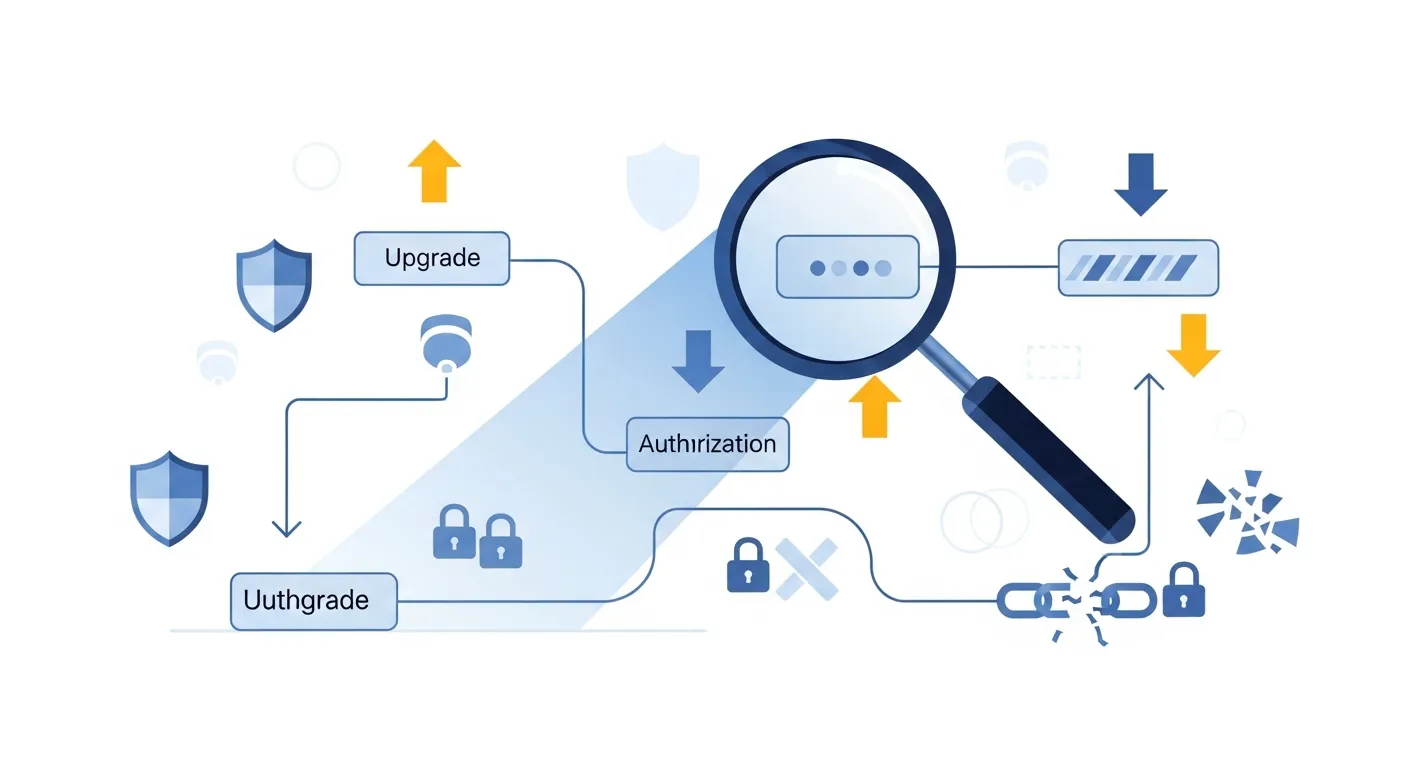
This post explains how to audit upgrade and downgrade flows to detect and prevent authorization failures.

A guide to reviewing Copilot-generated refactors to ensure critical security middleware is preserved and not accidentally removed.

A practical guide to reviewing AI-generated pull requests for hidden security issues and preventing long-term security debt in software development.

Explores strategies to fortify LLM-powered agents against malicious prompt injection attacks that could manipulate tool usage.
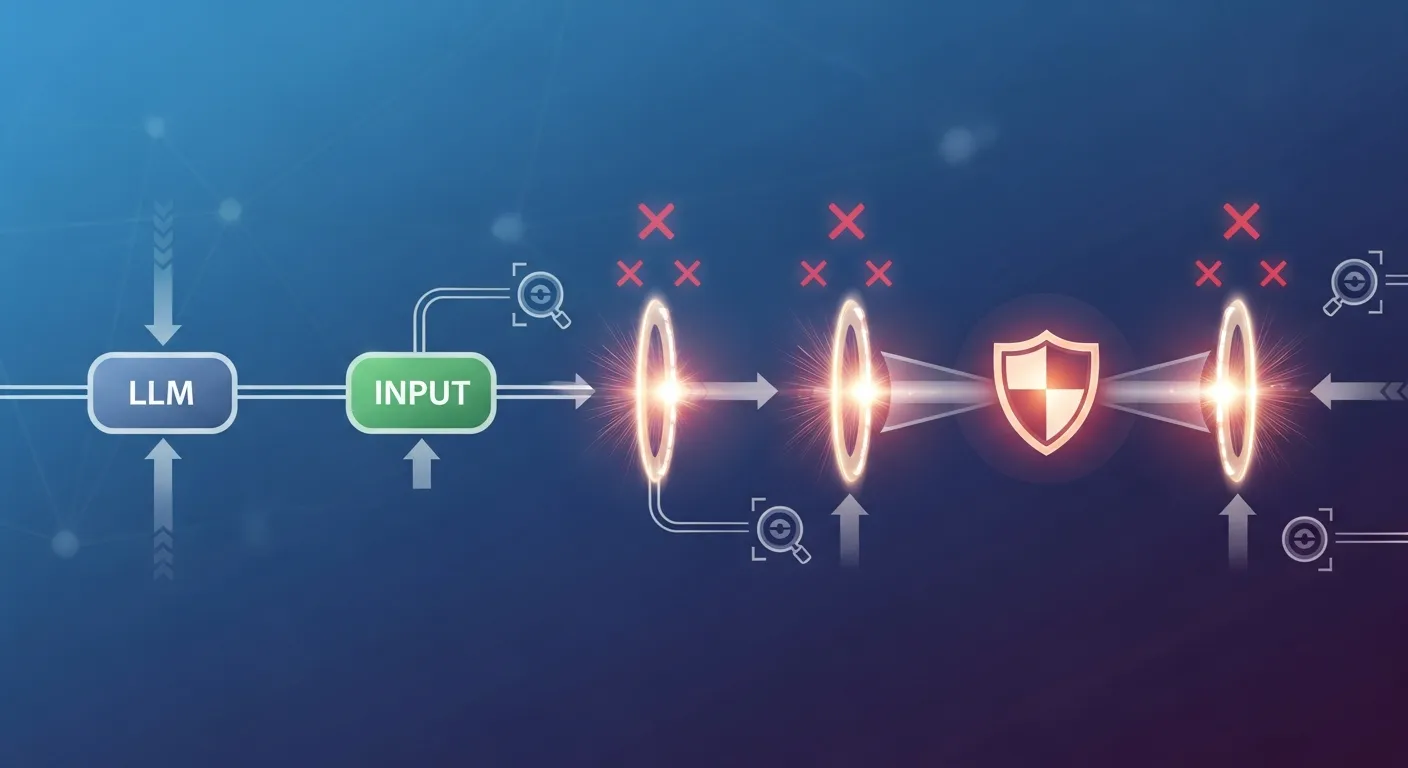
Explore how applying zero-trust security principles to LLM pipelines mitigates risks by distrusting every input and ensuring robust, secure AI architectures.

This post explains how insufficient logging and monitoring can leave critical security threats undetected and outlines why stronger visibility is essential for timely incident detection.
Explains how insecure deserialization can expose applications to serious security risks during data parsing and highlights why safe handling practices are essential.