Rotating Secrets After Railway's Env-Var Breach: A PaaS Blast-Radius Audit
A practical audit guide for rotating secrets and reducing blast radius after Railway's environment variable breach exposed customer credentials.

A practical audit guide for rotating secrets and reducing blast radius after Railway's environment variable breach exposed customer credentials.

Node.js patched a Brotli decompression flaw that could lead to remote code execution alongside nine other vulnerabilities, so teams should verify affected release lines, audit lockfiles, and add runtime and CI scanning for untrusted compression input.

Azure Linux 4.0's open-source Fedora-based ISO lets cloud teams run Microsoft's Azure host OS locally, so workloads can be built, tested, and debugged in a faithful reproduction of the production environment before they ever reach the cloud.

A developer-focused guide to Next.js monthly security releases that explains how to design a reliable patch pipeline for quickly validating, prioritizing, and shipping critical fixes without disrupting production.

A practical guide for DevOps and infrastructure teams on mitigating the AnyDesk 0-day denial-of-service vulnerability with fast detection, hardening, and response steps.

A deep technical walkthrough of how to design guardrails, authorization boundaries, and deployment controls so tens of thousands of AI agents can operate at scale without accidentally shipping unreviewed changes to production.

A deep technical walkthrough of how prompt injection can compromise Claude Code’s AI-suggested commands, and how to audit developer workflows for hidden execution risks.

A practical checklist for developers to harden GCP workloads after Google’s cloud security layoffs, focusing on IAM least privilege, workload isolation, secrets handling, logging, and incident-ready controls.

A critical NGINX vulnerability dubbed Rift could allow attackers to hijack exposed web servers, making it urgent for DevOps and SRE teams to verify configurations and apply patches.

A DevOps-focused overview of the proposed Linux kernel kill switch for disabling vulnerable subsystems during zero-day response, with attention to security, stability, and production rollout trade-offs.

A junior developer's AI-assisted checkout change led to a costly failure that exposed the risks of unchecked code in production.

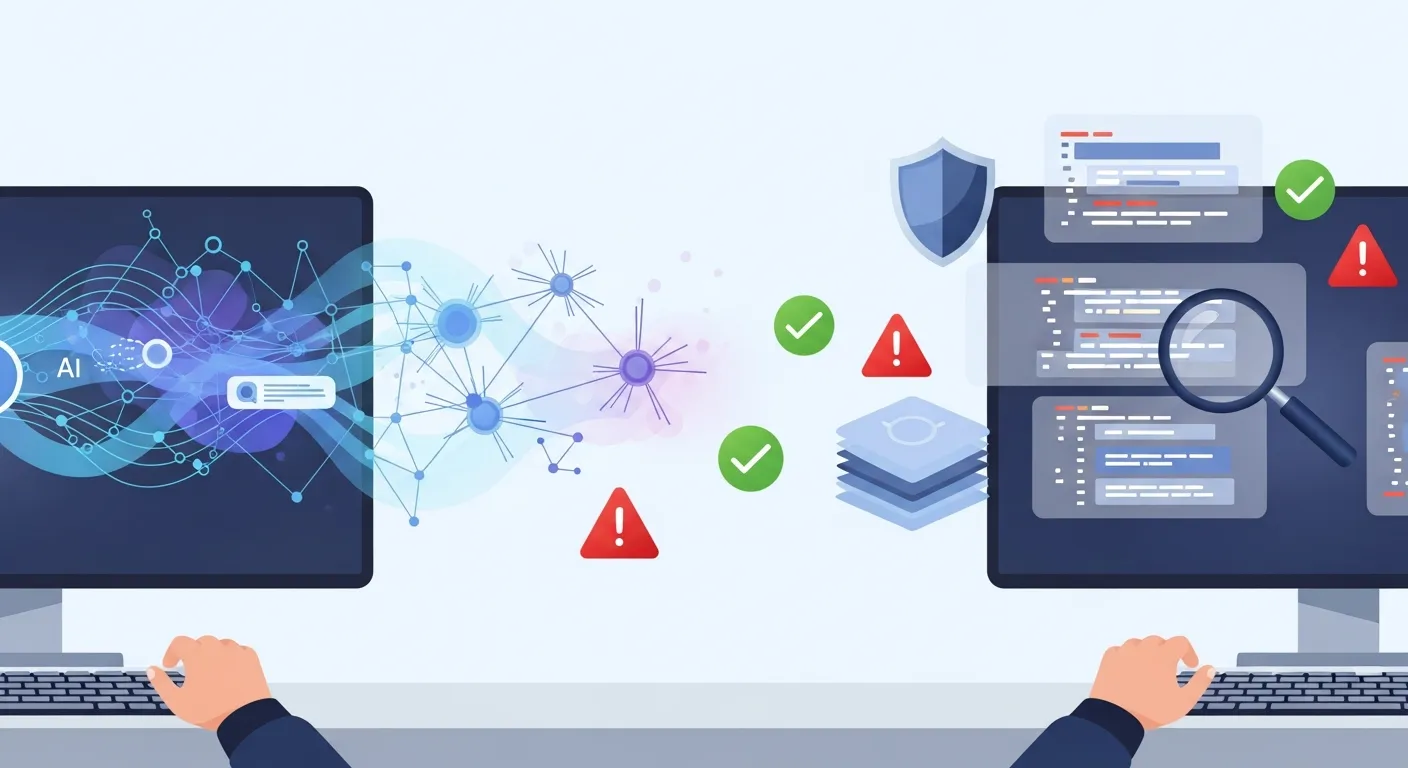
Learn how to integrate AI-powered code review into CI/CD pipelines to catch issues earlier, improve quality, and speed up development workflows.

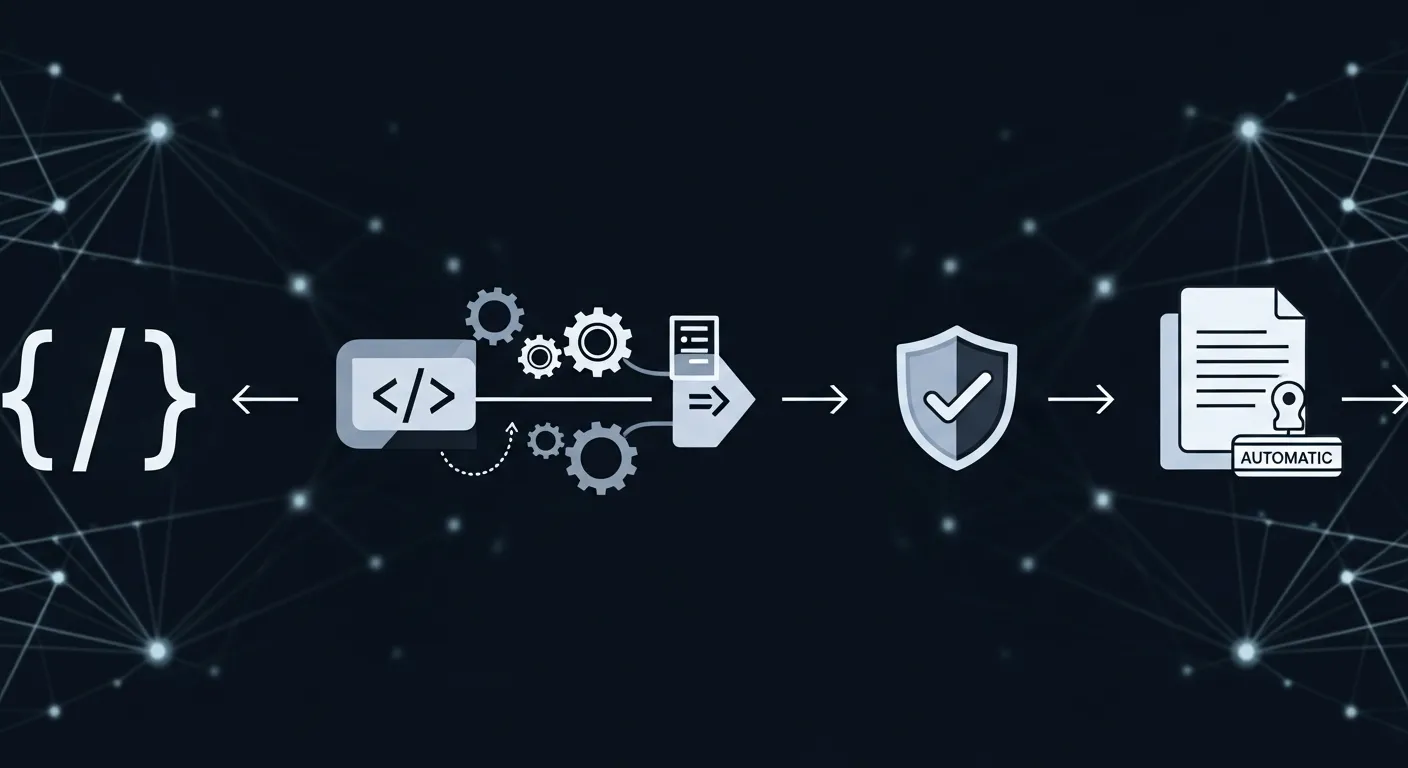
Explore how Compliance as Code shifts teams from manually gathering audit artifacts to automatically generating trustworthy evidence throughout the software delivery lifecycle.

Learn how to audit your logging pipeline to ensure it supports effective incident response, observability, and operational readiness.

An overview of how insecure default settings and weak configuration practices can expose systems to preventable attacks.

Learn how AI-powered log analysis transforms overwhelming log data into actionable insights for faster troubleshooting, anomaly detection, and smarter monitoring.

Learn how to use local LLMs to identify secrets in commit messages before they are pushed to help prevent accidental credential exposure.

An overview of the key security risks, validation practices, and governance controls to consider when using AI to generate infrastructure-as-code.

A practical checklist for auditing AI-generated code to identify security risks, validate outputs, and strengthen your development workflow.