
Metabase as an Attack Surface: What the ShipMonk Trezor Incident Tells Developers to Audit First
pr0h0•
A look at how a Metabase zero-day in the ShipMonk/Trezor breach exposed 67,000 U.S.
metabasecybersecuritydata-breach
A look at how a Metabase zero-day in the ShipMonk/Trezor breach exposed 67,000 U.S.

A practical look at how Gemini 3.5 Flash Cyber’s faster vulnerability detection and auto-patching workflow could be audited by developers before production rollout.

An analysis of the hardest defensive challenges JavaScript teams face when protecting apps from fully autonomous AI attackers, with practical security implications for modern web stacks.

Learn how to harden libssh2-based applications against remote code execution risks by understanding the vulnerability, affected attack surface, and practical defensive controls for malicious SSH packets.

A deep technical walkthrough of CVE-2020-24932 showing how a seemingly harmless sorting parameter and a missing authorization check combined to create a critical SQL injection vulnerability.

This deep technical walkthrough explains how to harden an AI agent against prompt injection, tool abuse, and data exfiltration after the Mythos and Fable breach by layering input filtering, least-privilege tool access, sandboxing, and runtime monitoring.

A deep technical walkthrough of how to audit Oracle PeopleSoft deployments for exploitable server-side bugs, prioritize the attack surface most likely to be targeted, and harden ERP environments against active exploitation.

A deep technical walkthrough of how prompt injection can compromise Claude Code’s AI-suggested commands, and how to audit developer workflows for hidden execution risks.

This walkthrough explains Oracle’s PeopleSoft zero-day patch, what changed in the fix, which attack paths it disrupts, and the concrete steps administrators should take to harden affected instances immediately.

A deep technical walkthrough of how developers and security teams should harden applications, patch dependencies, and validate exposure after a public Microsoft zero-day exploit dump lands on GitHub.

A deep technical walkthrough of how CVE-2026-5027 enables unauthenticated remote code execution in unpatched Langflow instances and what defenders can do to detect, contain, and mitigate exposure.

A practical deep-dive on how to stress-test your app against emerging AI-assisted threats, using the threat patterns highlighted by recent reporting on Claude Mythos and GPT 5.4-Cyber.

A deep technical walkthrough of how Indian application security teams can audit web, API, and cloud attack surfaces for AI-generated zero-day exploit patterns, prioritize exposure, and harden detection and response.

A technical breakdown of a conference CFP software vulnerability that let attackers manipulate reviewer votes to force a 100% talk acceptance rate, with guidance for auditing and hardening similar systems.
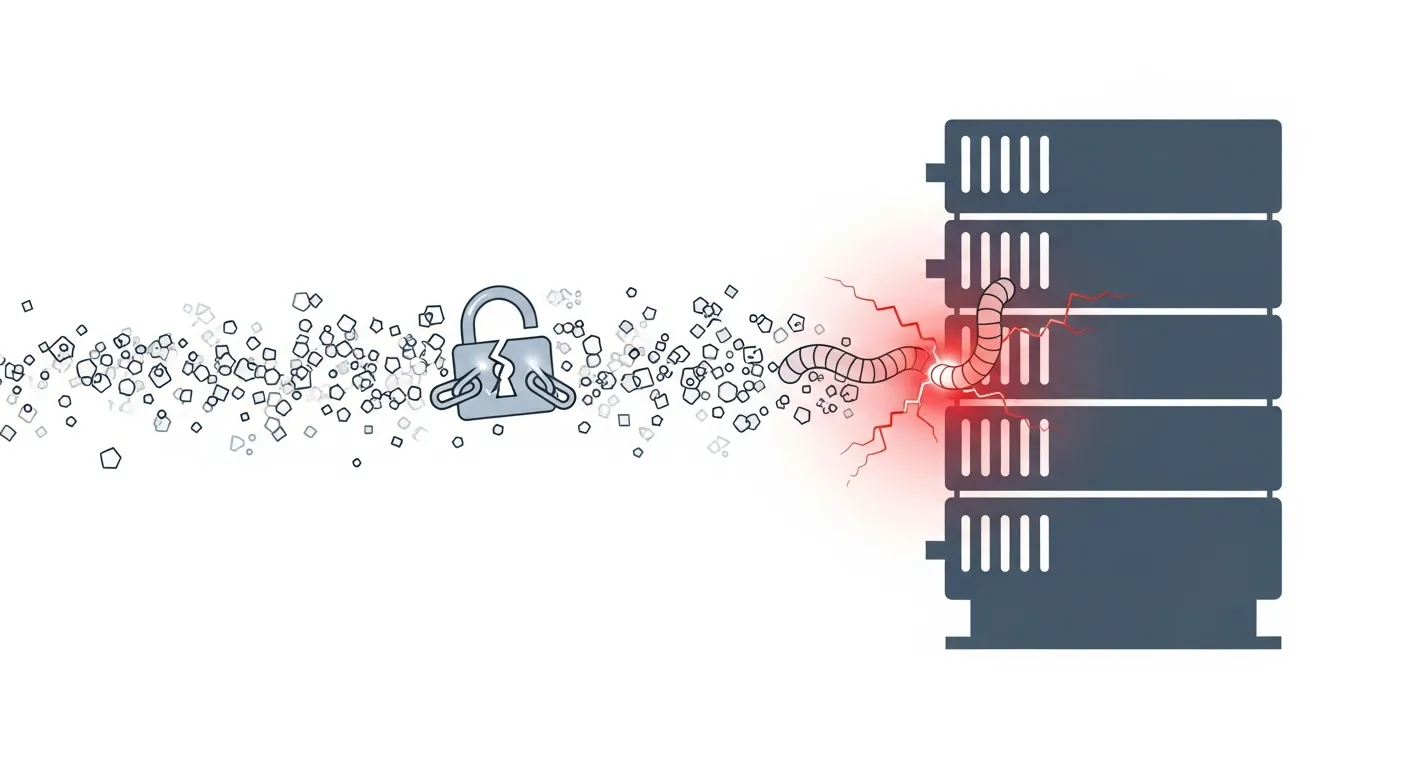
Explains how insecure deserialization can expose applications to serious security risks during data parsing and highlights why safe handling practices are essential.

An overview of Cross-Site Scripting (XSS) covering common attack types, delivery vectors, and practical mitigation strategies for securing web applications.

A practical overview of injection flaws across SQL, NoSQL, and other attack surfaces, with guidance on how they occur and why they matter.
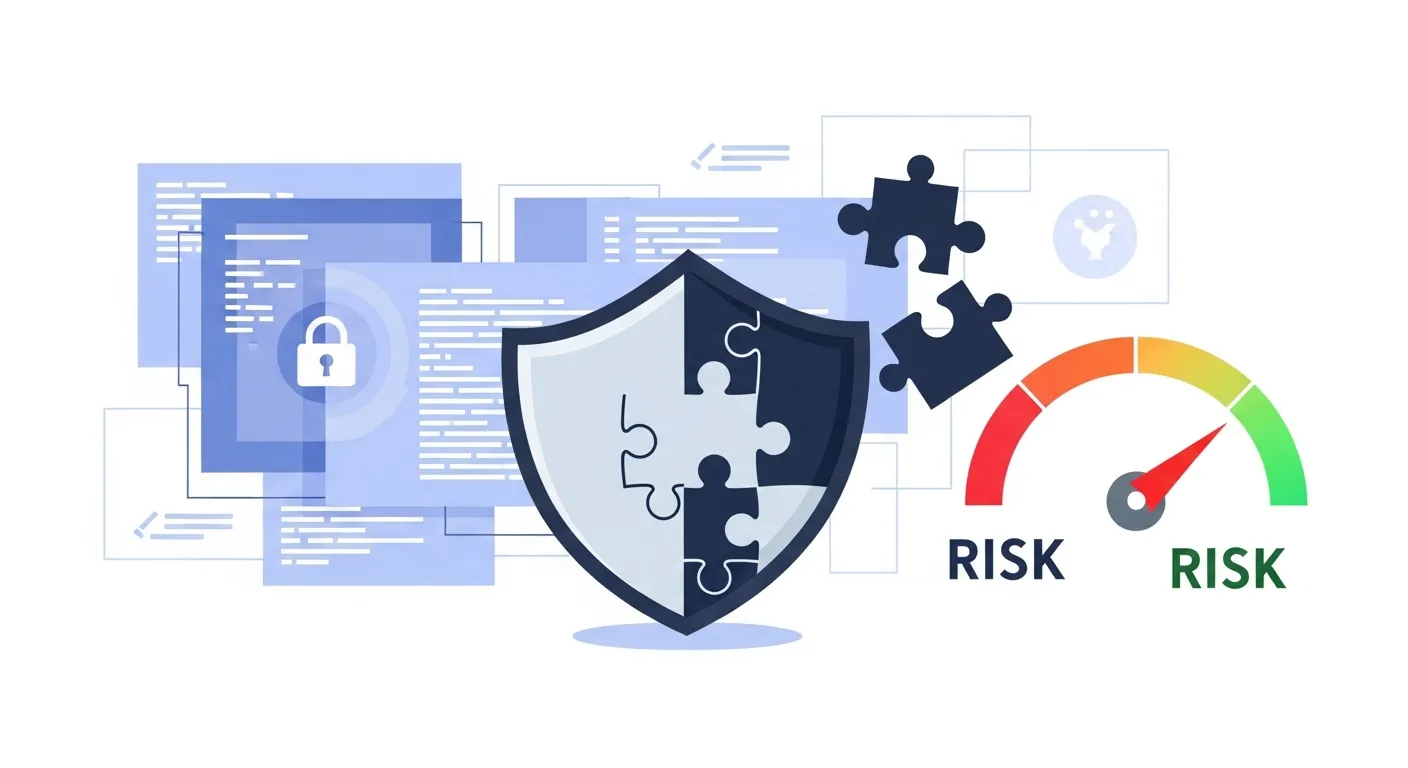
A practical developer-focused guide to the OWASP Top 10 critical web application risks and how to reduce them.
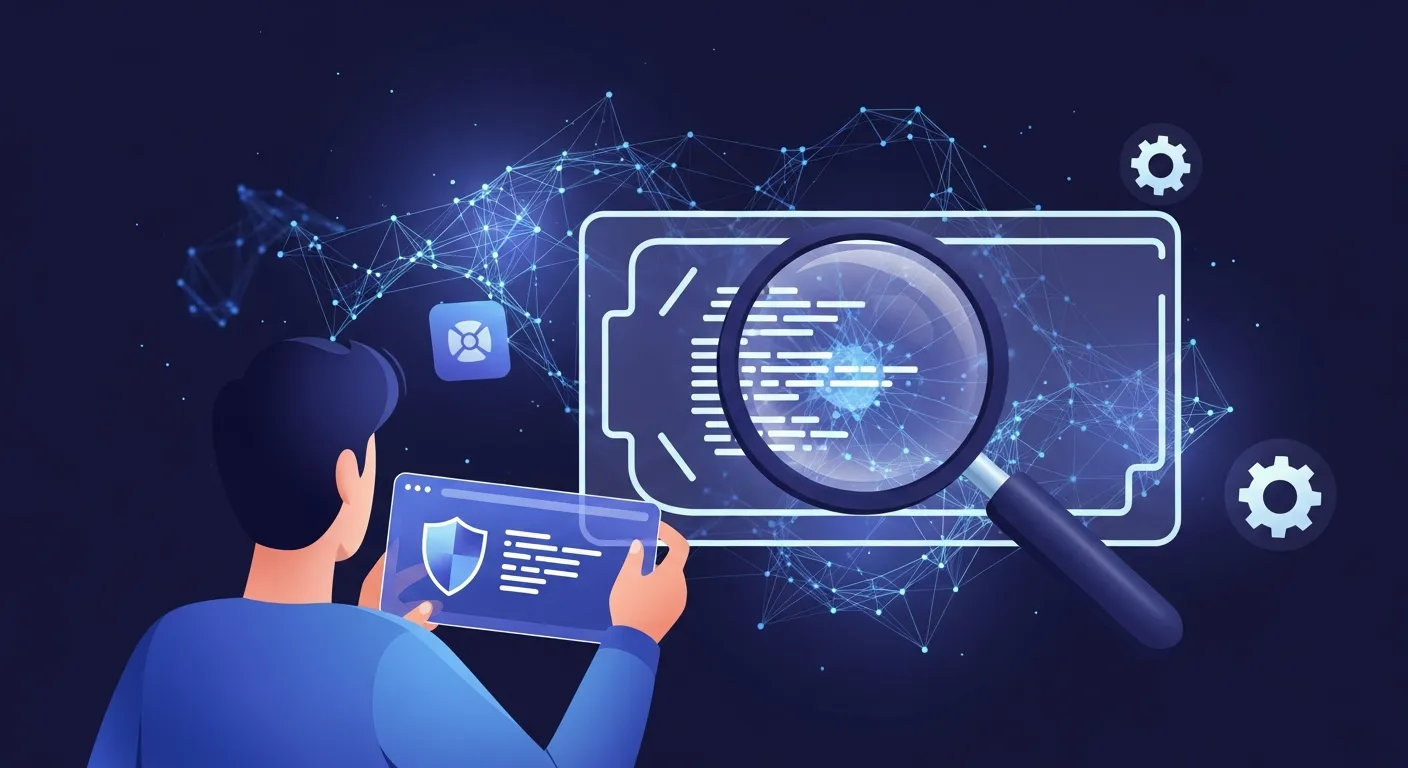
A practical guide to reviewing AI-assisted code generation for security vulnerabilities and reducing risk in automated development workflows.
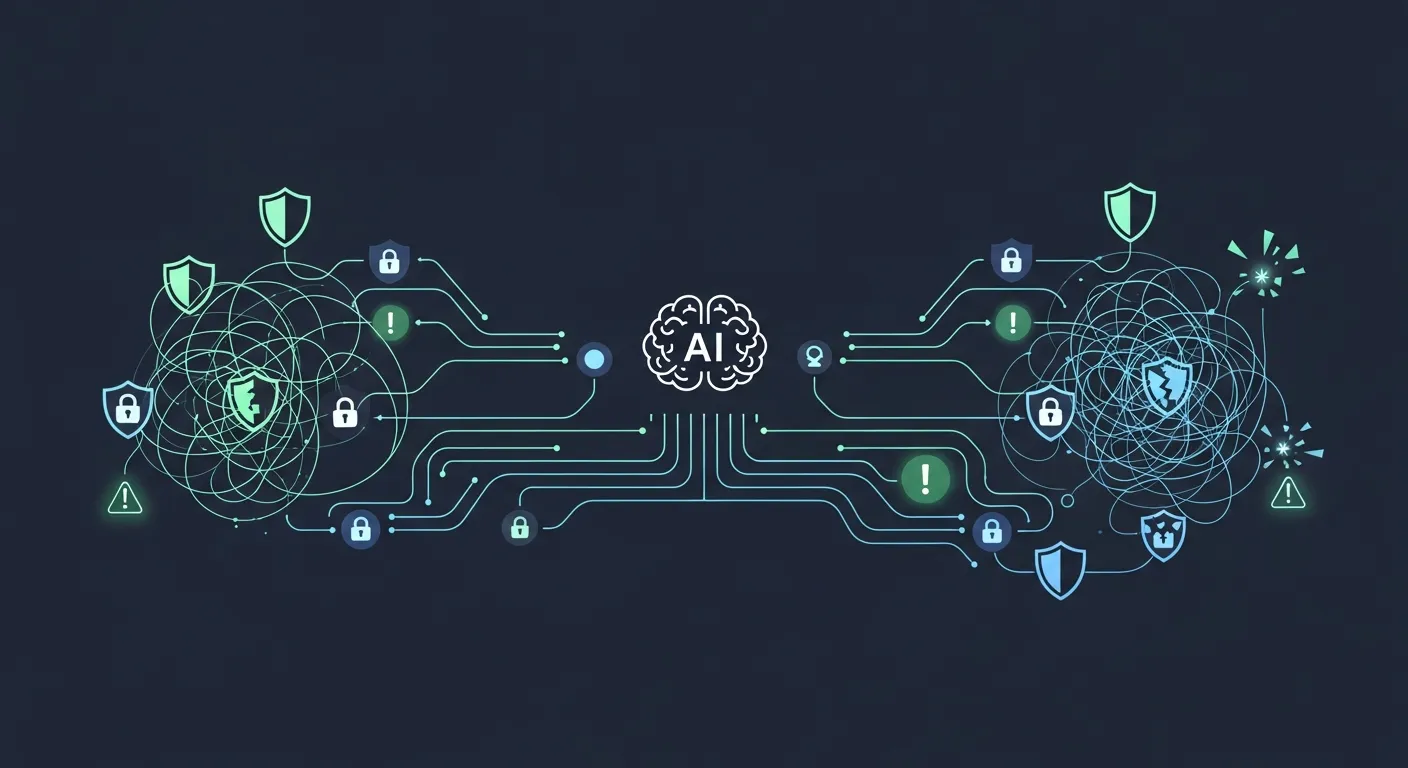
Learn how to reduce dependency bloat and security risks introduced by AI-generated code with practical mitigation strategies.