CI Pipeline Abuse: What the Grafana Hack Tells Us About Secret Management
What happened in the Grafana incident
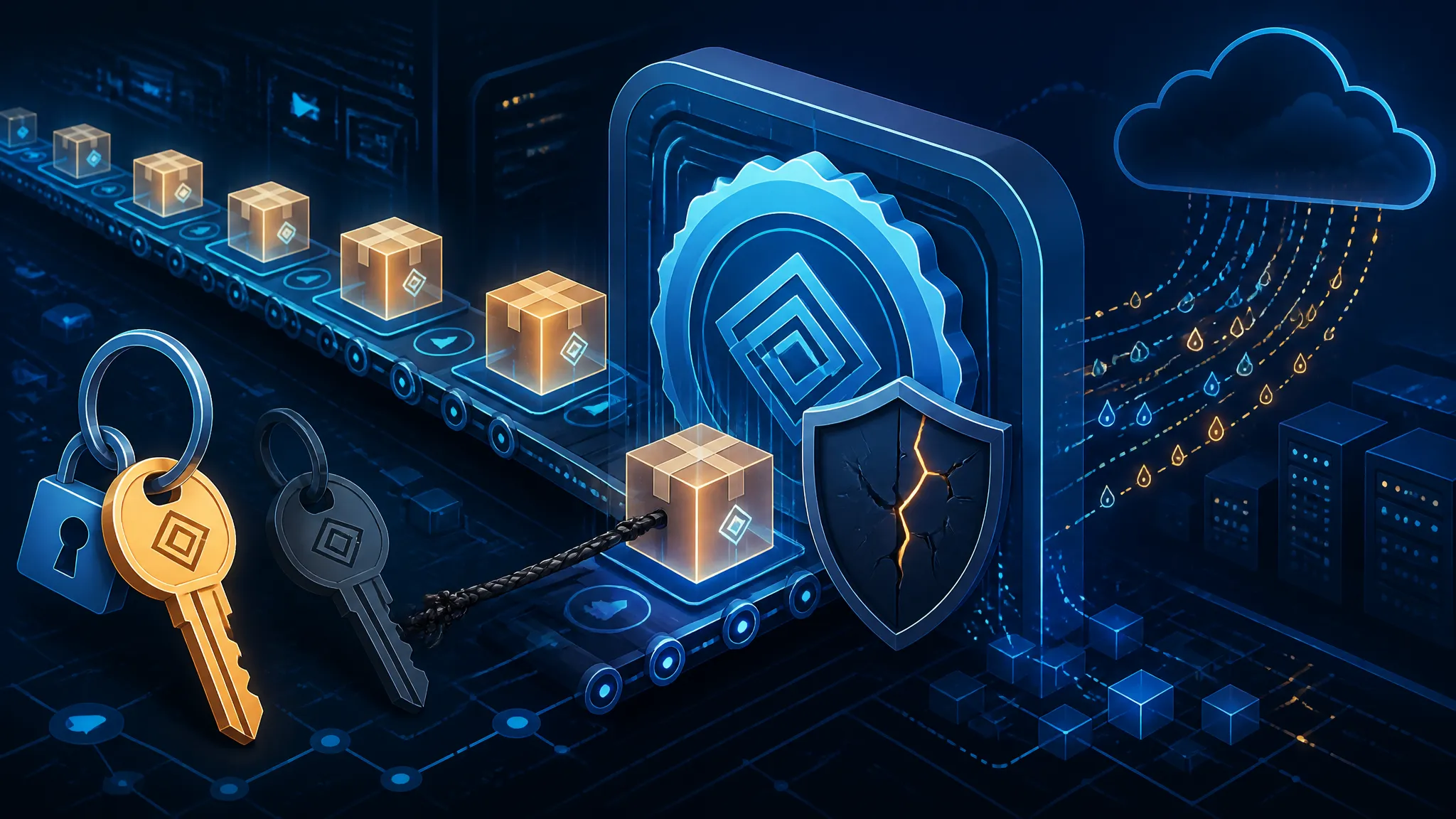
What stands out in the Grafana breach is not just that attackers reached GitHub. The more interesting part is that a CI-related secret problem widened the blast radius from “one compromised token” into source code access and extortion pressure.
Based on public reporting, the attackers abused a CI flaw that exposed a GitHub token. That token gave them enough access to reach repository contents and download the codebase. Grafana then refused to pay the ransom.
That sequence matters because it is easy to file this away as a plain secret leak. It is not. The real failure is that the secret had enough reach to become a supply chain problem.
Why a CI secret leak turns into a supply chain problem
A CI token is often treated like glue: it signs in, fetches, builds, ships, and disappears into the background. The trap is assuming all tokens have the same value.
Token scope is the real boundary
If a token can only read one artifact bucket, the damage is limited. If it can read source repositories, trigger workflows, or access package registries, it becomes a much better foothold.
The real question is not “was the token secret?” It is “what could this token reach if an attacker got it?”
That is why pipeline abuse becomes a supply chain issue. Source code access can reveal:
- internal service names
- deployment paths
- hidden endpoints
- build and release logic
- future security fixes before they ship
Downloading source code changes the attacker’s options
Once the attacker has the codebase, the game changes. They do not need to guess how a service works. They can inspect workflow files, secret handling, internal integrations, and release automation.
In practice, code access can enable:
- targeted follow-up phishing using real project details
- hunting for secondary secrets in configs and tests
- staging a more credible extortion message
- looking for signs of unreleased vulnerability fixes
That is why “they only got source code” is not a comforting sentence.
How I model the attack path
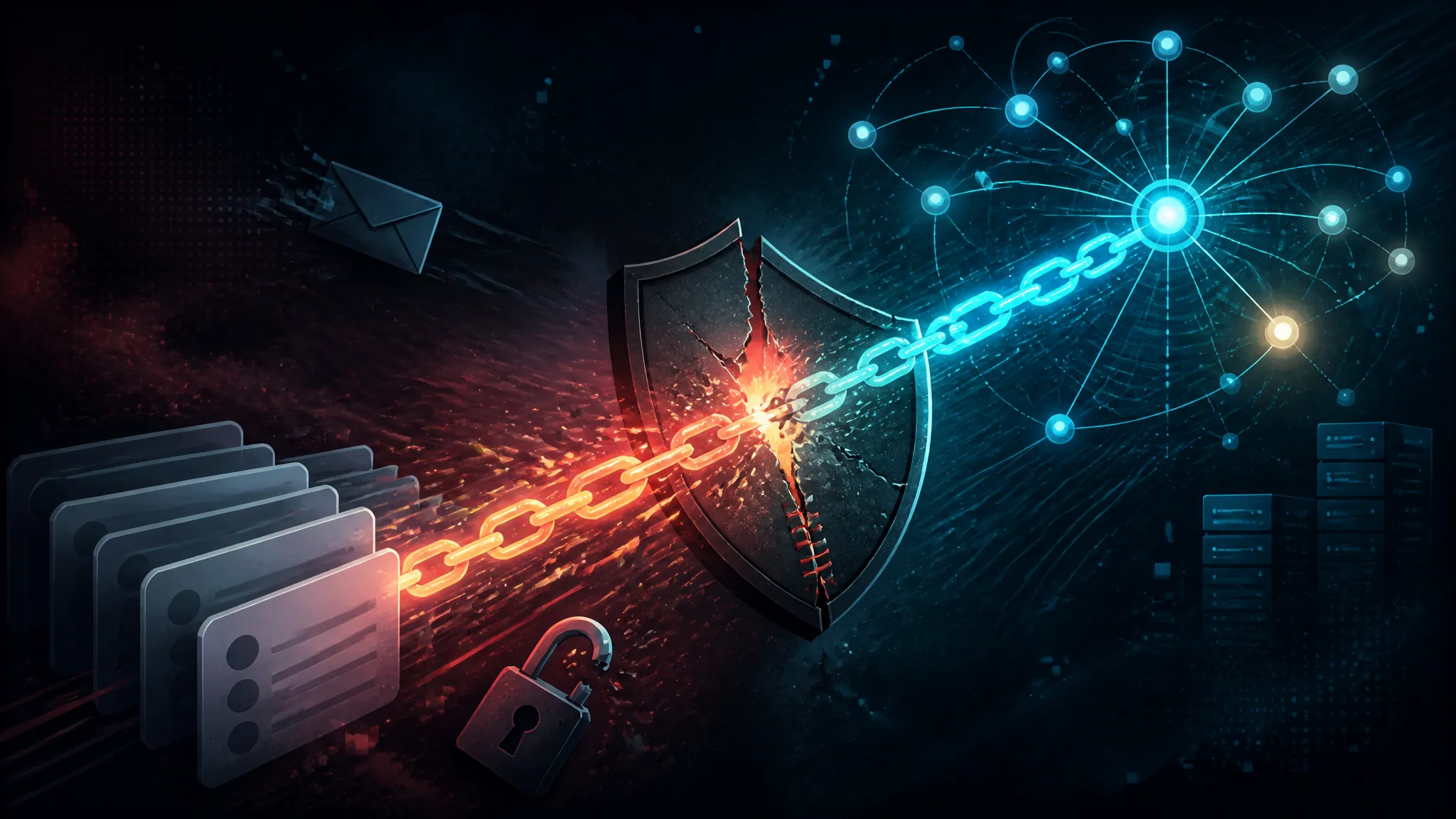
I like to reduce this kind of incident to a simple chain.
Secret exposure inside GitHub or CI
A CI job leaks a token through logs, environment handling, misconfigured actions, artifact exposure, or an overly permissive integration. The attacker captures the token before it expires or gets rotated.
Codebase access and repository reconnaissance
With the token in hand, the attacker tests what it can read. If repository scope is broad enough, they can enumerate projects, pull code, inspect workflows, and look for adjacent trust edges.
Extortion pressure after code access
This is where the social layer starts. The attacker can threaten to leak code, expose internal details, or use knowledge of the repo to sound more credible. The code itself becomes leverage.
What to test in your own pipeline
Inventory every token and where it can reach
Make a list of every credential used by CI:
- GitHub tokens
- cloud provider credentials
- registry tokens
- deploy keys
- webhook secrets
For each one, write down what it can read, write, trigger, or impersonate. If you cannot describe the blast radius in one sentence, you do not really have control of it.
Check for over-broad GitHub permissions
GitHub Actions is often configured with more scope than necessary. Review whether jobs need:
contents: readversuscontents: write- repository-wide access versus a single repo
- access to release publishing or issue management
A token used for testing should not be able to move code into production.
Look for build logs and artifacts that echo secrets
This is the boring part that catches real bugs. Search for:
printenv- debug output that dumps request headers
- test failures that include environment variables
- artifacts that package config files or
.npmrc - workflow steps that echo shell-expanded secrets
Verify secret rotation and revocation speed
If a CI token leaks, how long does it stay useful?
You want to know:
- how quickly you can revoke it
- how long pipelines keep using cached credentials
- whether downstream services notice the rotation
If the answer is “manual ticket and two days,” the token is too powerful.
Defensive controls that matter more than policy text
Short-lived credentials and environment scoping
Use credentials that expire quickly and only in the environment that needs them. A build job should not carry production-grade access just because it is convenient.
OIDC instead of long-lived static tokens
Where possible, let CI exchange an identity assertion for short-lived cloud credentials. That removes the main prize: a reusable static secret sitting in a repo or runner environment.
Repository protections and least-privilege automation
Protect sensitive branches, restrict who can approve workflow changes, and separate read-only build jobs from release jobs. The automation account should be able to do one job, not every job.
| Control | What it blocks | What it does not block |
|---|---|---|
| Short-lived credentials | Reuse after exposure | Live session theft |
| OIDC federation | Static secret leaks | Bad workflow logic |
| Branch protections | Silent release changes | Repo read access |
| Secret scanning | Accidental commits | Runtime log leaks |
A practical JavaScript audit example
If I am auditing a repo, I start with a cheap scan for common secret leakage patterns. This does not prove safety, but it finds places worth inspecting.
const patterns = [
  /printenv/i,
  /env\./i,
  /process\.env\.[A-Z0-9_]+/g,
  /echo\s+\$[A-Z0-9_]+/i,
  /secrets\.[A-Z0-9_]+/i,
  /github\.token/i
];

function scanText(fileName, text) {
  const hits = [];
  for (const pattern of patterns) {
    if (pattern.test(text)) hits.push(pattern.toString());
  }
  return hits.length ? { fileName, hits } : null;
}
That kind of scan helps you find workflow files, scripts, and test helpers that may accidentally expose secrets or print them during failure handling.
The next step is not more scanning. It is asking whether a token in that file can reach a system that matters.
Incident response when a CI token is exposed
Do this in order:
- Revoke the exposed token immediately.
- Rotate any related credentials that the token could reach.
- Disable or pause affected workflows.
- Review GitHub audit logs and CI logs for token use.
- Check for repository downloads, branch reads, and package access.
- Assume code exposure until you confirm otherwise.
One mistake I see often is focusing only on the original token. If the token could mint other access, you need to chase every derived credential too.
Conclusion
The Grafana incident is a clean reminder that CI secrets are not just build plumbing. They are trust boundaries. If a token can read source code, it can help turn a small leak into a broader security event.
The practical test is simple: assume the token will leak, then ask what it can do in the first five minutes. If the answer includes repository access, release access, or production reach, the token is too broad.