Import-Time Execution: How the PyTorch Lightning Backdoor Turned ML Dependencies Into Stealers
What happened in the PyTorch Lightning release
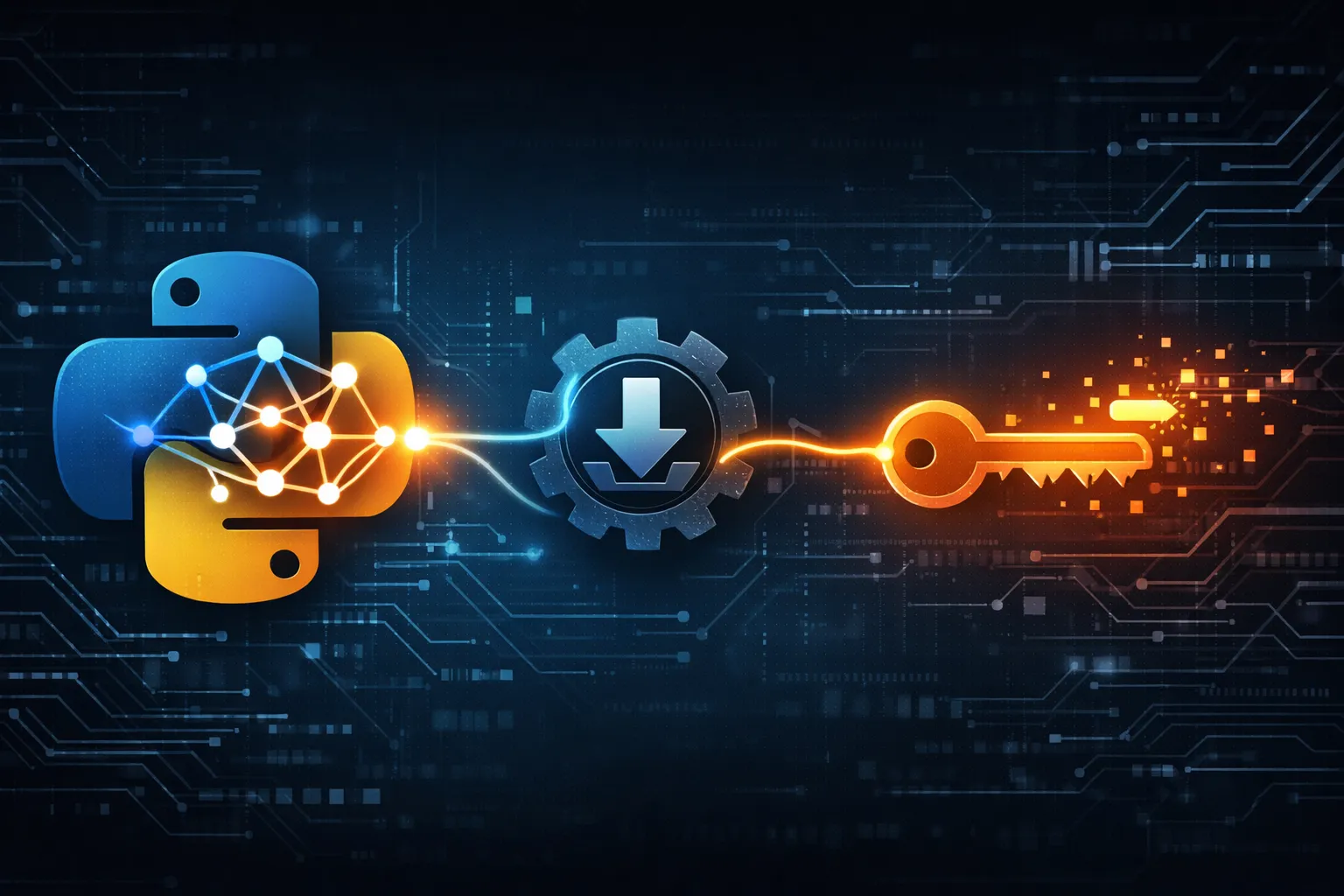
A malicious PyPI release of pytorch-lightning / lightning landed in a package many AI teams already trusted. Reporting said the bad version used import-time execution to fetch Bun from GitHub and then run an obfuscated JavaScript payload.
That detail matters more than the package name. This was not a noisy ransomware dropper or a broken demo script. It was a dependency compromise aimed at where ML work actually happens: notebooks, training jobs, developer laptops, and CI runners. Those systems often have broad network access and too many secrets.
The scale matters too. PyTorch Lightning has huge reach in the ML ecosystem, so one malicious release can spread fast. If your security model assumes “this code only runs in training,” you are already behind.
Why import-time execution is the dangerous part
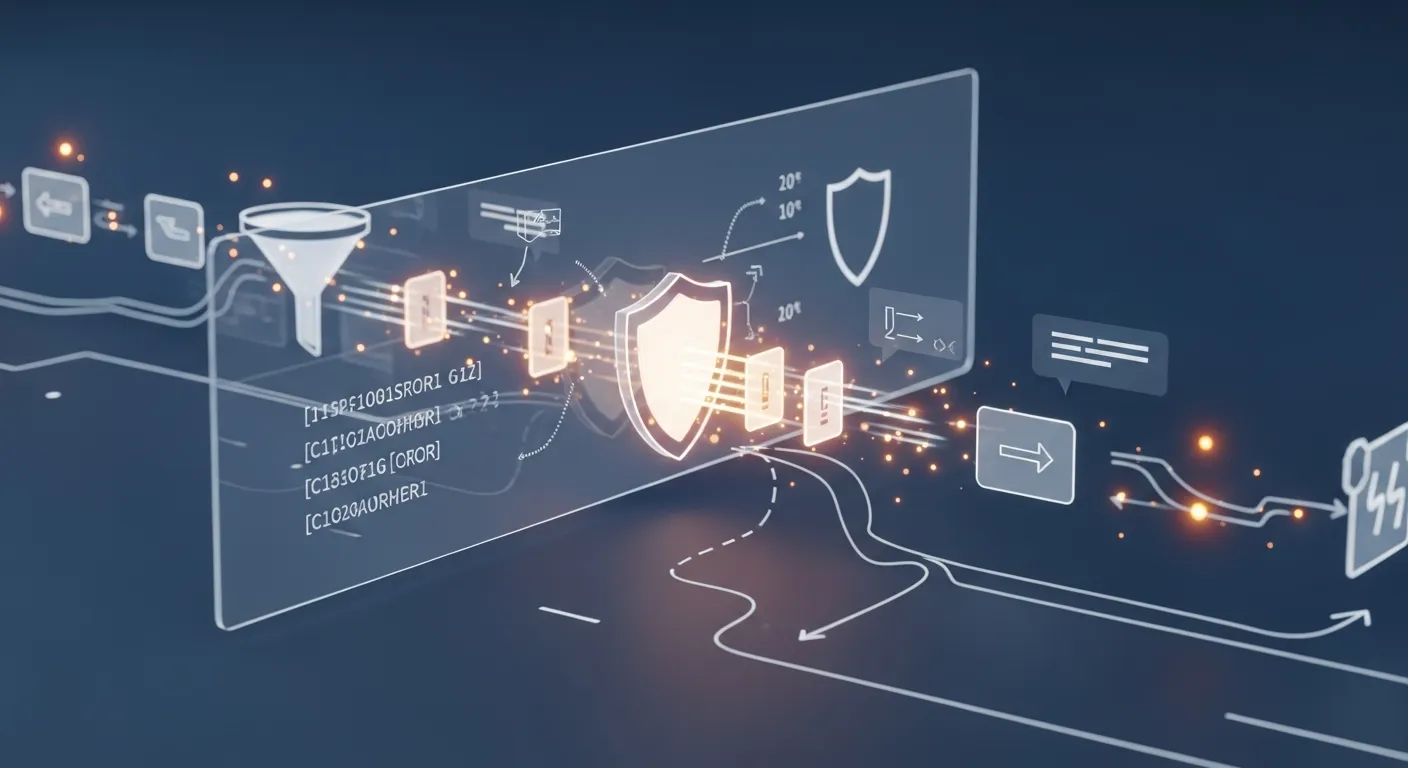
Python imports are supposed to be cheap and predictable. In practice, they are also an execution boundary. Anything in __init__.py, module top-level code, or package hooks runs as soon as something does import lightning.
That is the trap.
Import side effects in Python dependency graphs
The problem is not limited to obviously bad code. Plenty of packages do useful setup at import time:
- environment detection
- logging configuration
- backend registration
- optional binary loading
- version checks
A malicious package can hide inside the same pattern. If a package runs code during import, the victim does not need to call an extra function, click a button, or execute a CLI. The import itself becomes the trigger.
In a dependency graph, that means the blast radius is wider than the one package. One compromised library can activate when:
- a Jupyter notebook cell imports a helper
- a training script imports a callback
- a CI job imports a package during test collection
- a transitive dependency pulls the package in indirectly
Why downloading Bun from GitHub matters
The Bun detail is a strong sign of intent. A malicious Python package could have done everything in Python. Instead, the payload chain downloaded a separate runtime and then used JavaScript for the second stage.
That gives the attacker a few advantages:
- the Python layer can stay small and hidden
- the JavaScript payload can be obfuscated separately
- the runtime fetch creates a network event defenders can hunt for
- the stealer logic can reuse browser-oriented or file-exfiltration tricks
This is not just code execution. It is cross-runtime staging designed to make static review harder and incident response noisier.
Why AI and ML environments are high-value targets
ML systems are attractive because they sit close to both development and production credentials. They are often treated as research tools, which makes them more trusted than they should be.
Credentials commonly present on notebooks, CI runners, and training nodes
In a real environment, I would expect to find some mix of:
- cloud access keys
- GitHub or GitLab tokens
- PyPI, npm, or container registry credentials
- model-provider API keys
- SSH keys
.envfiles- browser session cookies
- service account tokens
- access to artifact stores and data lakes
A compromised package does not need direct access to production. It only needs one machine with enough privilege to pivot.
How a package compromise turns into credential theft
The attack chain is usually boring, which is why it works:
- package installs normally
- import triggers hidden code
- code enumerates local files, env vars, and browser artifacts
- stolen secrets are exfiltrated over HTTPS or a disguised endpoint
- attacker reuses those credentials elsewhere
That is the real damage model. The package is not the end goal. The credentials are.
If your notebook kernel, training VM, or CI runner can read long-lived secrets, a dependency compromise can become account compromise without touching production code.
What to test in your own environment
I usually start by asking a simple question: what happens before my code even reaches main()?
Check for unexpected import behavior in installed packages
You can instrument imports in a disposable environment and watch for network or process activity. A quick first pass is to import suspicious packages in a container or throwaway VM and trace what happens.
// import-watch.js
const { spawn } = require("node:child_process");

const child = spawn("python", ["-c", "import lightning"], {
  stdio: ["ignore", "pipe", "pipe"],
});

child.stdout.on("data", (d) => process.stdout.write(`[out] ${d}`));
child.stderr.on("data", (d) => process.stdout.write(`[err] ${d}`));
child.on("exit", (code) => console.log(`exit=${code}`));
That is not a full detector, but it gives you a place to start looking for child processes, unexpected downloads, and import-time noise.
Review package versions, hashes, and lockfiles
For ML work, “latest” is usually the wrong default.
Check:
- pinned versions in lockfiles
- hash verification where supported
- whether the installed wheel matches the expected artifact
- whether a dependency was updated outside your normal release window
If a package is compromised upstream, exact versioning and hash checks reduce the chance that a poisoned release slips in silently.
Inspect egress, child processes, and recent archive activity
The Bun download pattern is the kind of thing defenders can actually hunt for.
Look for:
- outbound connections during import
curl,wget,powershell,python,node, orbunchild processes- archive extraction in temporary directories
- new binaries written to user-writable paths
- sudden access to token files, browser profiles, or cloud config directories
If your EDR only watches production services, you are missing the highest-risk part of the ML estate.
Practical defenses for ML supply chains
Reduce secret exposure on developer machines and runners
This is the fastest win. Assume local machines are not safe enough for durable secrets.
- use short-lived credentials
- avoid storing production API keys in plaintext env files
- separate research accounts from privileged accounts
- keep browser sessions and cloud admin access off training hosts
- rotate anything that may have been reachable from an affected system
Isolate training jobs and notebooks from production-adjacent access
Notebooks should not be able to do everything.
Good boundaries include:
- separate network segments
- restricted egress
- container or VM isolation
- no mount of home directories by default
- no access to org-wide browser profiles
- dedicated execution workers for untrusted code
Pin dependencies and monitor for suspicious releases
For packages that sit in the path of imports, treat release monitoring as part of security work.
- pin exact versions
- alert on new releases from critical dependencies
- review maintainer changes and release timing
- watch for sudden jumps in download behavior or package metadata
- prefer reproducible builds where possible
If a package is important enough to sit in every training job, it is important enough to have an allowlist, a hash policy, and an incident plan.
Conclusion
The PyTorch Lightning backdoor is a good reminder that AI supply-chain attacks do not need a fancy exploit. They need a trusted package, an import side effect, and a machine with too much access.
That is enough to steal the credentials that matter.
If you run notebooks, training jobs, or CI workers with real secrets on them, treat those systems as production-adjacent. The package manager is part of your attack surface now, and import time is not safe by default.