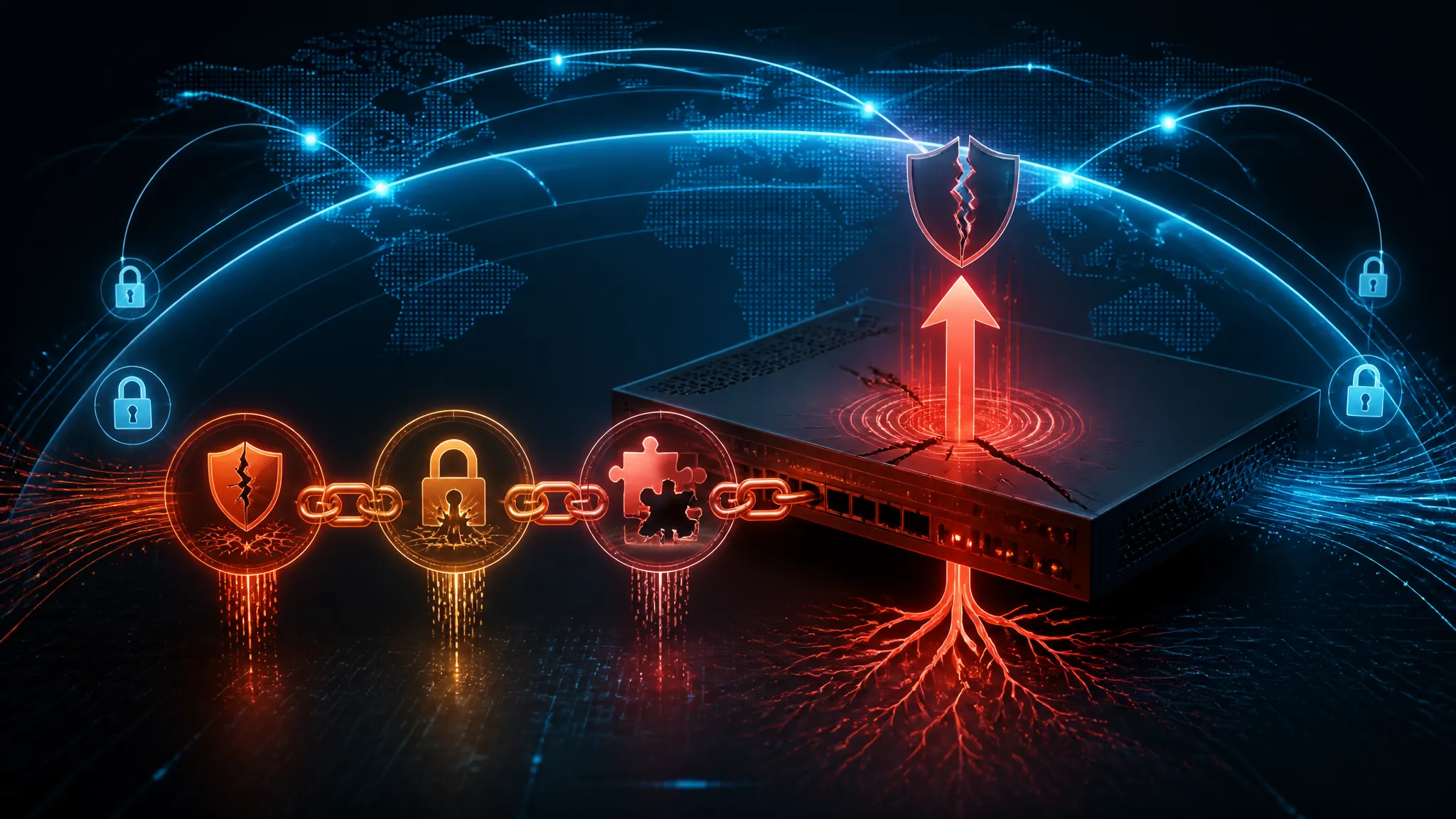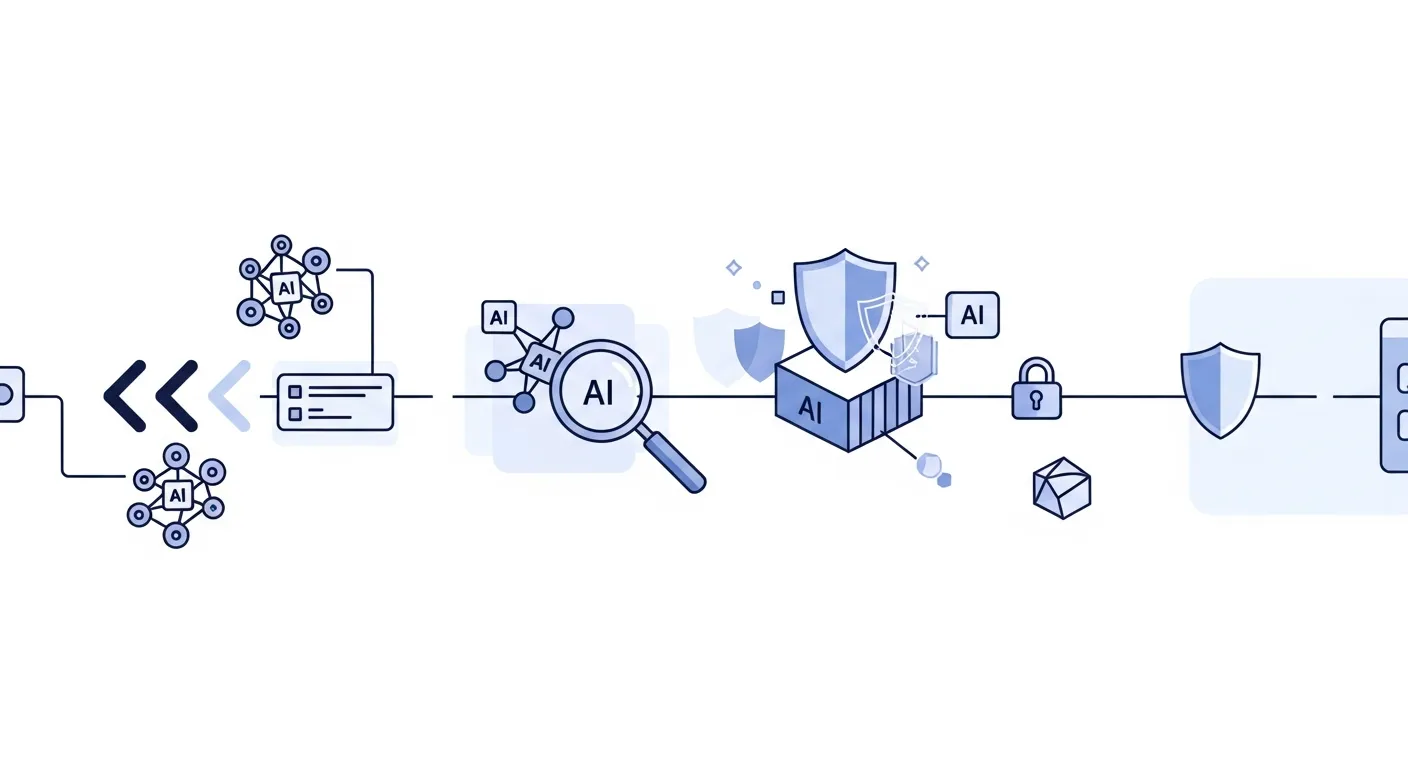
A Framework for Threat Modeling AI-Augmented Development Pipelines
What an AI-augmented development pipeline actually is
An AI-augmented pipeline is not just “Copilot in the editor.” It usually includes an IDE assistant, a chat tool that can read files, an agent that can edit code or run commands, and sometimes retrieval over internal docs or tickets. That means the system is crossing several trust boundaries at once.
The right threat model starts by treating AI as another integration layer, not as a productivity shortcut. Once a model can see source code, issue trackers, build logs, or secret-backed tooling, anything that reaches those inputs can shape what it does next.
Where the trust boundaries move when AI enters the workflow
Before AI, most developer trust boundaries were familiar:
- the local machine
- the repo contents
- the CI runner
- the review process
- production secrets
AI adds two more:
- prompt and context sources you did not write directly
- model-driven actions that look like normal developer behavior
That shift matters because the model may summarize, transform, or act on untrusted content. A pasted error message, a ticket comment, or a markdown file in a repo can turn into instructions if the assistant is allowed to treat it that way.
I usually think about this as two flows: data into the model, and actions out of the model. If either side is too broad, the pipeline gets brittle fast.
Threats worth modeling before they become incidents
Prompt and context injection in assistants and agents
If an assistant can read arbitrary files or web content, hostile text can steer it. The exploit is not always “ignore the user”; more often it is “change the next action.” An agent that can open files, call tools, or post code reviews is especially exposed.
Code generation that looks correct but changes behavior
The nastiest failures are quiet. The generated code compiles, the diff is small, and the app still works in a happy-path demo. But a permission check moves, a null guard disappears, or a retry loop starts doubling side effects.
Secret leakage through prompts, logs, and retrieval
Developers paste too much into chat. Agents also tend to copy logs, stack traces, and environment output into history. If retrieval is enabled, sensitive snippets can get indexed and resurfaced later in places they do not belong.
Supply-chain risk from generated dependencies and snippets
Models are good at producing plausible package names and API calls. That creates two problems: you may install a dependency you never reviewed, or you may copy code that uses an unsafe pattern because it “looked standard.”
A simple threat-modeling workflow you can reuse
Map assets, actors, and data flow
Start with a plain table. Keep it small enough to finish in one meeting.
| Asset | Who can touch it | AI system exposure | Example risk |
|---|---|---|---|
| Source code | developers, agents | read/write | hidden logic change |
| Secrets | CI, env, vault | read via context | prompt leakage |
| Build output | CI, reviewers | generated artifacts | malicious dependency |
| Tickets/docs | team members, integrations | retrieval | instruction injection |
The goal is not completeness. The goal is to see where the model can observe or influence something sensitive.
Rank failure modes by impact and exploitability
A good threat model is not a long list of fears. Rank each issue by:
- impact if it happens
- how easy it is to trigger
- whether the model can do the dangerous step by itself
A low-effort injection that can exfiltrate secrets or open a PR is more important than a rare edge case that only breaks formatting.
Decide which controls belong in the IDE, CI, and review process
Do not push every defense into the editor. Put fast checks in the IDE, stronger policy in CI, and human review at the boundary where code becomes trusted.
JavaScript-friendly checks and guardrails
Validate generated code before merge
For JavaScript repos, static checks catch a lot of “looks right” failures:
eslinttsc --noEmit- unit tests for behavior, not just syntax
- diff-based review on sensitive files
A simple guardrail is to fail CI if generated code touches auth, payment, or secret-handling paths without explicit review.
const sensitivePaths = [/auth/i, /payment/i, /secret/i];

function isSensitiveFile(path) {
  return sensitivePaths.some((re) => re.test(path));
}
Restrict tool access for agents
If an agent can run commands, limit what it can run. If it can read files, limit the directories. If it can write code, make sure it cannot directly touch .env, deployment manifests, or release scripts without a second approval step.
An agent with broad shell access is a production control plane, not a helper.
Add tests that catch silent logic changes
Silent failures need behavior tests. I like to pin tests around permission boundaries, invariants, and side effects. If AI edits code that changes a branch condition, a test should fail even when the app still renders.
Examples:
- free account cannot access paid feature
- invalid token returns 401, not 200 with empty data
- retry happens once, not three times
- webhook handler is idempotent
What to record in a threat model review
Keep the review short, but make it explicit:
- what AI tools are in scope
- what data they can read
- what actions they can perform
- which secrets may enter prompts or logs
- what review or approval step blocks risky changes
- what tests prove the important controls still work
A useful review note also records assumptions. For example: “assistant can read open files but cannot access vault tokens,” or “agents may draft code but cannot merge.” Those assumptions are what you verify later when the system changes.
Conclusion
AI-augmented development is manageable, but only if you treat it like a system with new trust boundaries. The risks are familiar in shape: injection, leakage, bad dependencies, and quiet logic drift. The difference is that the model can turn messy inputs into actions faster than a human reviewer notices.
If you model the data flow, limit tool access, and add tests around the behaviors that matter, you get most of the benefit without pretending the pipeline is harmless.